Why Hearing Aids Are Quietly Changing Healthcare Investing
You’ve probably never thought of hearing aids as an investment trend—honestly, I didn’t either. But after digging into healthcare’s shifting landscape, it hit me: this is no longer just about devices. It’s about aging populations, tech innovation, and long-term care costs. I started looking closer and realized the financial ripple effects are real. What seemed like a niche market is now a growing sector with practical implications for savers, investors, and families planning ahead. Behind the quiet hum of progress in hearing technology lies a powerful shift in how we fund, access, and think about healthcare. This is not just a story of sound—it’s a story of value, risk, and foresight in modern finance.
The Hidden Shift in Healthcare Demand
Demographics are reshaping the global economy in ways both visible and subtle. One of the most underappreciated forces is the aging of populations across developed nations. In countries like the United States, Japan, and Germany, the number of people over 65 is rising steadily, and with age comes an increased likelihood of sensory decline—particularly hearing loss. According to the World Health Organization, over 430 million people worldwide live with disabling hearing loss, a figure projected to rise to 700 million by 2050. Yet, only a fraction of those who need hearing aids actually use them, creating a significant gap between medical necessity and market penetration.
This gap is not just a public health issue—it’s a financial signal. When a basic health need remains unmet at such scale, it indicates both unfulfilled demand and future spending pressure. For investors, this suggests a market poised for expansion. For families, it signals potential out-of-pocket costs that are often overlooked in retirement planning. Hearing loss is not typically viewed with the same urgency as heart disease or diabetes, but its economic consequences are real. Untreated hearing loss has been linked to higher rates of depression, social isolation, and cognitive decline, all of which increase healthcare utilization and reduce quality of life. These downstream effects translate into higher long-term care costs, greater reliance on social services, and reduced workforce participation among younger caregivers.
What makes this trend particularly compelling is its predictability. Unlike sudden market disruptions caused by pandemics or geopolitical events, population aging follows a steady trajectory. Governments and healthcare systems are beginning to respond, but reimbursement policies remain inconsistent. In the U.S., for example, Medicare does not cover hearing aids for most beneficiaries, leaving the cost—typically ranging from $1,000 to $6,000 per pair—entirely to the individual. This lack of coverage reinforces the role of personal financial planning in managing future health expenses. As awareness grows, so too will demand for solutions that are both medically effective and financially accessible. The shift is not dramatic or sudden, but it is relentless—and that makes it a powerful driver of change in healthcare investing.
From Medical Device to Tech-Driven Investment Opportunity
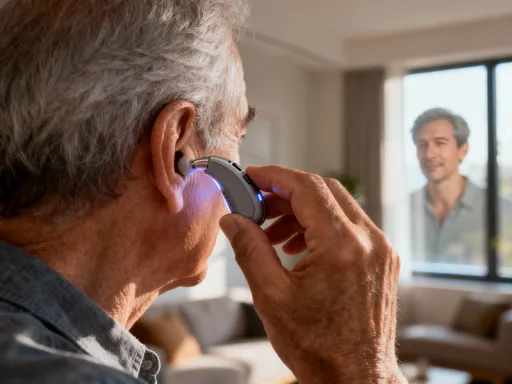
Hearing aids have undergone a quiet revolution. Once simple sound amplifiers, today’s devices are sophisticated pieces of technology that rival the capabilities of high-end consumer electronics. Modern hearing aids incorporate artificial intelligence to distinguish speech from background noise, adjust settings in real time, and even monitor heart rate and physical activity. Some models connect seamlessly to smartphones, allowing users to stream phone calls, music, or GPS directions directly into their ears. These advancements blur the line between medical device and wearable tech, making hearing aids not just tools for hearing, but entry points into a broader ecosystem of personal health data.
This transformation has attracted the attention of investors who traditionally focused on either healthcare or technology. Companies that once specialized in audiology equipment are now partnering with software developers, semiconductor manufacturers, and data analytics firms. The result is a new category of health tech that combines regulatory oversight with rapid innovation. For example, improvements in battery efficiency and miniaturization have allowed for smaller, more powerful devices that last longer and require fewer replacements. These engineering advances reduce long-term costs and improve user experience—both of which drive adoption and, by extension, revenue growth.
From an investment standpoint, the value proposition is clear. The global hearing aid market was valued at approximately $10 billion in 2023 and is expected to grow at a compound annual growth rate of 7% over the next decade. But the real opportunity may lie beyond the device itself. As hearing aids collect more biometric data, they become part of a larger trend toward continuous health monitoring. This data can inform early interventions for conditions like cardiovascular disease or cognitive decline, potentially reducing overall healthcare spending. Investors are beginning to recognize that the future of medical technology lies not in isolated treatments, but in integrated systems that promote preventive care and long-term wellness. Hearing aids, once seen as a niche product, are now positioned at the intersection of aging, technology, and cost management—making them a compelling focus for forward-looking portfolios.
The Cost Trap Families Don’t See Coming
For many families, the cost of hearing aids comes as a shock. Unlike other medical devices such as pacemakers or insulin pumps, which are typically covered by insurance, hearing aids are often treated as elective or cosmetic. This classification means that even individuals with comprehensive health plans may be left to pay the full price out of pocket. A single pair can cost as much as a high-end laptop or a week-long vacation, and because hearing loss usually develops gradually, the purchase often coincides with retirement—when income is fixed and savings are being carefully managed.
The financial burden extends beyond the initial purchase. Hearing aids require maintenance, battery replacements, and periodic adjustments by audiologists, all of which add to the total cost of ownership. Some users need new devices every five to seven years, meaning a lifetime of hearing assistance could cost tens of thousands of dollars. For retirees living on Social Security and pension income, this expense can strain emergency funds or force trade-offs in other areas, such as travel, home repairs, or support for grandchildren. What’s more, the lack of price transparency in the hearing aid market makes it difficult for consumers to compare options or negotiate better deals, leaving many vulnerable to overpaying.
But the true cost of untreated hearing loss goes even deeper. Studies have shown that individuals with unaddressed hearing impairment are more likely to experience social withdrawal, reduced job performance, and early retirement. For those still working, this can mean lost wages and diminished career advancement. For retirees, it can lead to isolation and a faster decline in mental health—factors that increase the likelihood of needing assisted living or home healthcare services. These indirect costs are rarely factored into personal budgets, yet they represent a significant financial risk. Families may not realize they are on a path toward higher long-term care spending until it’s too late. Recognizing hearing loss as a legitimate health concern—and planning for its treatment financially—is a crucial step in protecting both health and wealth.
How the Market Is Responding: Innovation vs. Accessibility
The hearing aid industry is at a crossroads. On one side are premium medical-grade devices developed by established manufacturers, offering advanced features and professional fitting services. On the other are over-the-counter (OTC) hearing aids, a relatively new category made possible by regulatory changes in the U.S. and other countries. These OTC models are designed to be more affordable and accessible, targeting individuals with mild to moderate hearing loss who may not want or need the full clinical experience. The emergence of this lower-cost segment has disrupted traditional pricing models and created new investment opportunities.
Large healthcare companies and venture capital firms are now placing bets on both ends of the spectrum. Some are doubling down on high-end innovation, integrating hearing aids with telehealth platforms and AI-driven diagnostics. Others are investing in direct-to-consumer brands that sell online, cut out audiologist visits, and offer subscription-based models. This dual-track approach reflects a broader trend in healthcare: the push to deliver better outcomes at lower cost. While premium devices continue to dominate in terms of revenue, the fastest growth is occurring in the OTC segment, where prices can be as low as $200 per pair.
However, this expansion is not without challenges. Regulatory scrutiny remains a concern, particularly as OTC devices begin to offer features that approach those of prescription models. There is also the risk of market fragmentation—where too many low-cost options lead to inconsistent quality and consumer confusion. Additionally, not all users benefit equally from self-fitting devices; those with more complex hearing needs still require professional evaluation and customization. The most sustainable investment opportunities may lie in companies that bridge the gap—offering accessible pricing without sacrificing clinical effectiveness. Firms that combine digital convenience with medical oversight, such as hybrid models that include remote audiology support, are well-positioned to capture long-term value. As the market evolves, the balance between innovation and accessibility will shape not only product success but also investor returns.
Investment Risks No One Talks About
While the growth potential in hearing health technology is promising, it is not without risk. One of the most significant factors is regulatory uncertainty. In the U.S., the Food and Drug Administration (FDA) oversees both prescription and OTC hearing aids, and changes in classification or safety requirements could impact product development timelines and market entry strategies. A sudden shift in regulations could delay launches, increase compliance costs, or even force companies to recall devices—events that can erode investor confidence and damage stock performance.
Another major risk is the volatility of reimbursement policies. Although Medicare does not currently cover hearing aids, there is ongoing legislative discussion about expanding benefits. While such a change could boost demand, it could also compress profit margins if government pricing controls are introduced. Conversely, if coverage remains limited, market growth may depend too heavily on consumer spending—making it vulnerable to economic downturns. During periods of high inflation or rising interest rates, families may delay non-essential purchases, including hearing aids, which could slow revenue growth for manufacturers and related service providers.
Technological obsolescence is also a concern. The pace of innovation in this space is rapid, and today’s cutting-edge features may become standard—or outdated—within a few years. Companies that fail to keep up with software updates, battery efficiency, or integration with other devices risk losing market share to more agile competitors. Additionally, the rise of smartphone-based hearing apps and Bluetooth-enabled earbuds with sound amplification features poses a competitive threat. While these consumer electronics do not replace medical-grade hearing aids for most users, they may capture a segment of the market that prioritizes convenience and affordability over clinical precision.
For investors, these risks underscore the importance of diversification. Putting capital into a single hearing aid manufacturer or startup carries significant exposure to sector-specific shocks. A more prudent approach is to invest in broader medical technology ETFs or funds that include exposure to audiology, wearable health devices, and telehealth services. This allows participation in the trend without overconcentration in any one company or technology. Long-term success in this space will depend not just on identifying growth, but on managing volatility with discipline and foresight.
Practical Strategies for Savers and Investors
For individuals, the rise of hearing health technology presents both a financial challenge and an opportunity. On the personal side, the key is early awareness and planning. Scheduling regular hearing screenings, especially after age 50, can lead to earlier intervention and potentially lower long-term costs. Some private insurance plans and employer-sponsored health benefits do offer partial coverage for hearing aids, so reviewing policies and advocating for better benefits can yield savings. Health savings accounts (HSAs) and flexible spending accounts (FSAs) are also valuable tools, as they allow pre-tax dollars to be used for qualified medical expenses, including hearing devices.
From an investment perspective, the goal is to align portfolio choices with long-term demographic and technological trends. Rather than betting on individual stocks, most savers are better served by diversified exchange-traded funds (ETFs) that focus on medical innovation, digital health, or aging-related technologies. Funds that include exposure to companies involved in wearable devices, remote patient monitoring, or assistive technologies can provide indirect but meaningful exposure to the hearing aid ecosystem. When evaluating specific companies, investors should look beyond marketing hype and focus on metrics such as clinical adoption rates, regulatory approvals, and revenue stability.
Another strategy is to consider the broader ecosystem. Instead of investing only in device manufacturers, savers might explore opportunities in semiconductor firms that supply components, software platforms that enable remote diagnostics, or healthcare providers that offer hearing services. This ecosystem approach spreads risk while capturing multiple points of value creation. Additionally, staying informed about policy developments—such as changes in Medicare coverage or FDA regulations—can help investors anticipate market shifts before they occur. The most successful financial decisions are not made in reaction to trends, but in anticipation of them.
Looking Ahead: A Signal of Bigger Changes in Health Finance
The story of hearing aids is about more than sound. It reflects a fundamental shift in how we approach health, aging, and financial planning. As life expectancy increases, the focus of healthcare is moving from acute treatment to long-term management of chronic conditions. Technologies that support independence, prevent decline, and improve quality of life are becoming central to this new model. Hearing aids, once overlooked, are now emblematic of a broader trend: the integration of health, technology, and personal finance.
This convergence means that everyday health decisions—like getting a hearing test or choosing a device—carry financial weight. They are no longer just medical choices but economic ones. For families, this calls for a more holistic approach to financial planning, one that includes not only retirement savings and insurance but also proactive health investments. For investors, it means recognizing that the most durable opportunities often arise from predictable, long-term trends rather than short-term speculation.
The quiet growth of the hearing aid market is a reminder that some of the most powerful financial shifts happen gradually, beneath the surface. They are shaped by demographics, enabled by technology, and revealed through careful observation. By paying attention to these signals, savers and investors alike can make smarter, more resilient decisions. The future of healthcare investing isn’t just in blockbuster drugs or futuristic surgeries—it’s in the devices that help people stay connected, independent, and financially secure as they age. And that, ultimately, is a trend worth listening to.