Lost in Cork’s Charm: A Local’s Take on Its Coolest Corners
Ever wandered a city that feels like it was made for slow mornings and unexpected adventures? Cork, Ireland, is exactly that. It’s not just about the famous English Market or St. Fin Barre’s spires—it’s the hidden lanes, creative hubs, and riverside whispers that make your heart pause. I’ve spent weeks here, not as a tourist, but as someone falling in love with the rhythm of the place. This guide? It’s my honest take on Cork’s most real theme areas—the ones that give you the full Irish vibe without the crowds. From food markets alive with centuries-old traditions to quiet park paths where the river hums a gentle tune, Cork offers a depth of experience that unfolds gradually, like a well-told story. This is a city that rewards curiosity, invites connection, and feels refreshingly unpolished—authentic in a way that resonates deeply with those who seek more than just postcard sights.
The Soul of the City: Exploring Cork’s Historic Core
Cork’s city center is not merely a collection of streets and buildings—it is a living narrative of resilience, commerce, and community. At its heart lies St. Patrick’s Street, often called “Pana,” a broad avenue lined with heritage shopfronts, modest boutiques, and the occasional street musician whose melodies float above the morning bustle. This thoroughfare, originally laid out in the 18th century after a series of fires, reflects the city’s ability to rebuild and adapt while preserving its character. The street’s gentle curve follows the natural flow of the River Lee, a reminder that Cork’s identity has always been shaped by water.
Wander just a few steps from the main drag, and you enter the medieval fabric of the old town. Narrow lanes like Castle Street and French Church Street hint at Cork’s origins as a walled settlement, with winding paths that once guided merchants and monks alike. The remnants of this past are subtle but present—in the stone foundations peeking through modern facades, in the quiet courtyard of the old French Church, and in the occasional timber-framed building that survived time and redevelopment. These lanes are not preserved behind glass; they are lived in, home to independent cafés, craft shops, and the occasional tucked-away chapel where locals still stop to light a candle.
The River Lee, which splits and flows around the city center, is more than a scenic feature—it is Cork’s historical spine. In the 17th century, the river’s natural channels were widened and bridged to support trade, and today, its presence is felt in the damp air, the reflections of red-brick buildings on its surface, and the soft lap of water against stone quays. The South and North Channels create an island-like core, making Cork one of the few cities in the world built on a river island. This unique geography fosters intimacy; the city feels contained, walkable, and human in scale.
What makes the historic core truly special is how seamlessly daily life blends with tourism. Locals queue at Tom Barry’s newsstand for the morning paper, while visitors pause to photograph the ornate façade of City Hall, a 20th-century rebuild in limestone and copper that stands as a symbol of civic pride. The key to experiencing this area authentically is timing. Early mornings, before 9 a.m., offer a rare quiet—when shopkeepers roll up shutters, steam rises from café vents, and the city stretches awake. Late afternoons, especially in summer, bring a golden light that softens the red brick and highlights the greenery in small pocket parks.
To navigate the core without rushing, wear comfortable shoes and allow at least half a day to simply wander. The compact layout means most landmarks are within a 20-minute walk of each other. Start at the Grand Parade, follow the river to St. Patrick’s Street, then dip into the side streets. Don’t miss the view from Princes Street Bridge, where the twin channels of the Lee come into focus. And if you’re drawn to stories behind buildings, consider downloading a self-guided walking tour from Cork City Council’s heritage website—many are free and rich with historical context. This is not a city to conquer, but to absorb.
Food & Market Culture: Inside the English Market and Beyond
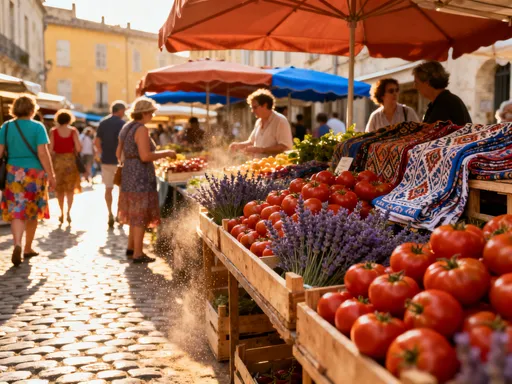
If Cork has a beating heart, it is the English Market. Opened in 1788, this covered market is not a tourist recreation but a working institution where generations of families have shopped, chatted, and passed down recipes. Housed in a handsome Victorian-era structure with high glass ceilings and cast-iron columns, the market hums with activity from early morning until late afternoon. The air is rich with the scent of baking bread, cured meats, and fresh seafood pulled from the nearby Atlantic. It is a place of ritual—where a Saturday visit means picking up spiced beef from Flynn’s, a wedge of creamy Cashel blue from the cheese stall, and a warm apple tart from the bakery at the far end.
The English Market is more than a place to buy food; it is a cultural experience. Vendors greet regulars by name, banter flows easily, and there’s a sense of pride in what’s sold. Many stalls have been in the same family for decades. Here, you’ll find ingredients that define Cork’s culinary identity: drisheen, a traditional blood pudding often served with tripe; white pudding with its peppery blend of pork and oatmeal; and locally smoked salmon from West Cork fisheries. But the market also embraces the new—artisan sourdough, organic vegetables from nearby farms, and Middle Eastern spices sold beside jars of homemade chutney.
For visitors, the best approach is to come hungry and with time. Allow at least two hours to explore properly. Start with a coffee from one of the small kiosks inside, then walk the full length of the market to get your bearings. Don’t be shy about asking questions—vendors are usually happy to explain what they sell. Sample small bites as you go: a slice of aged cheddar, a spoonful of honeycomb, or a freshly shucked oyster if you’re feeling adventurous. Many stalls offer ready-to-eat food, so you can build a makeshift picnic—pair a sausage roll with a local cider and eat it on one of the wooden benches near the entrance.
Just outside the market, the food scene continues to unfold. On nearby Patrick Street, you’ll find Farmgate, a café and deli that sources directly from the market’s producers. Their breakfast plate—featuring black and white pudding, free-range eggs, and sourdough toast—is a local favorite. Around the corner on Pembroke Street, Market Lane offers small plates and natural wines in a cozy, candlelit space, perfect for an early evening drink. For something sweet, head to Queen’s Old Ale House, where the traditional Irish stew is served with a side of warm brown bread baked fresh daily.
The English Market also hosts seasonal events, such as the Christmas Craft Market in December, when artisans take over the stalls with handmade gifts, mulled wine, and live music. Even in quieter months, the market remains a hub of community life. It survived a fire in 1982 and was rebuilt with public support—a testament to its importance. To truly understand Cork, spend a morning here. Let the rhythms guide you. Buy a jar of homemade pickles, chat with a fishmonger about the day’s catch, and leave with more than groceries—with a sense of belonging.
Creativity Unleashed: The North and South Mall Art Scene
While Cork’s reputation for culture often centers on music and food, its visual arts scene is equally vibrant, if quieter in tone. The North and South Mall, running parallel to the River Lee, form the backbone of this creative corridor. Once commercial arteries, these streets now host a mix of galleries, artist studios, and cultural initiatives that reflect Cork’s understated but persistent artistic energy. This is not a flashy arts district, but one that rewards attention—where a mural hides behind a bus stop, or a pop-up exhibition appears in an old bank building.
The anchor of this scene is the Lewis Glucksman Gallery at University College Cork. Designed by renowned architects Scott Tallon Walker, the building itself is a work of art—its layered stone and timber structure blends into the university campus while standing out as a modern landmark. Inside, the gallery presents contemporary exhibitions that often explore Irish identity, social themes, and environmental issues. What makes it special is its accessibility: admission is free, guided tours are offered weekly, and the program includes work by both established and emerging artists. Families are welcome, and the outdoor sculpture garden is a peaceful spot for reflection.
Just off the South Mall, the Cork Arts Network supports independent artists through studio rentals, exhibitions, and community projects. Their annual Open Studios event invites the public into working spaces across the city, offering a rare glimpse into the creative process. Meanwhile, street art has become a defining feature of the area. The “Creative Cork” trail highlights murals by local and international artists—pieces that range from abstract patterns to portraits of historical figures. One notable work, on the side of a building near Tuckey Street, depicts a woman weaving a tapestry of the city’s skyline, symbolizing the interconnectedness of its communities.
For those who want to engage beyond viewing, opportunities abound. The Cork Printmakers studio on Peacock Street offers short courses in etching, screen printing, and lino cutting—ideal for visitors looking for a hands-on experience. The Triskel Arts Centre, housed in a converted church on Tobin Street, screens independent films, hosts live music, and runs artist talks. Its café doubles as an informal gallery, where you can sip tea while studying a new exhibit.
The influence of University College Cork and the Cork Institute of Technology cannot be overstated. These institutions nurture young talent, fund research in the arts, and collaborate with local organizations on public projects. Student exhibitions, often held in spring, are worth seeking out—they’re fresh, bold, and unafraid to ask questions. The result is a city where art is not confined to museums but woven into everyday life—on walls, in libraries, and in the windows of small shops displaying rotating pieces by local painters.
To experience this scene fully, set aside an afternoon. Begin at the Glucksman, then walk down the South Mall toward the city center, keeping an eye out for murals and small galleries. Stop at the Triskel for a coffee, and if timing allows, check the schedule for a talk or screening. This is creativity that doesn’t shout—it invites you in, quietly, with open arms.
Green Escapes: Parks, Walks, and Riverside Calm
In a city known for its lively streets and rich history, green spaces offer a necessary counterbalance—a chance to breathe, reflect, and reconnect with nature. Cork’s parks and riverside paths are not afterthoughts but essential parts of its urban fabric. Fitzgerald Park, nestled along the western edge of the city, is the crown jewel. Spread over 20 hectares, it combines formal gardens, wooded areas, and open lawns, all centered around the winding path of the River Lee. The park is home to the Cork Public Museum, which traces the region’s history from ancient times to the present, but many visitors come simply to walk, jog, or sit on a bench beneath the trees.
One of the park’s most beloved features is the duck pond, where families gather to feed the resident waterfowl, and the rose garden, which bursts into color each summer. In spring, cherry blossoms line the pathways, creating soft clouds of pink and white. Winter brings a different kind of beauty—the bare branches etched against gray skies, and the occasional light trail that winds through the trees during the holiday season. The park is well-maintained, with clear signage, clean restrooms, and accessible paths, making it ideal for visitors of all ages.
Equally enchanting is the Marina Walk, a scenic path that follows the south channel of the River Lee from the city center to the suburb of Blackrock. This route, once a tram line, has been transformed into a peaceful green corridor shaded by tall trees and lined with wildflowers in summer. It’s popular with dog walkers, runners, and cyclists, but also with those seeking solitude. The sound of the river, the rustle of leaves, and the distant chime of church bells create a meditative atmosphere. Along the way, you’ll pass old stone bridges, small memorials, and the occasional bench with a view of the water.
For a shorter escape, consider the People’s Park in the heart of the city. Smaller than Fitzgerald Park, it offers a formal Victorian layout with fountains, flowerbeds, and shaded walkways. It’s a favorite lunch spot for office workers and a gentle place to pause between errands. The park also hosts seasonal events, such as outdoor concerts in summer and craft fairs in autumn.
These green spaces are more than decorative—they are vital to Cork’s well-being. The city has long prioritized access to nature, recognizing its role in mental and physical health. Many of the paths are flat and well-paved, suitable for strollers and wheelchairs. Picnic areas are scattered throughout, often with tables and nearby waste bins. For families, Fitzgerald Park includes a playground and a small farm with goats and chickens, a hit with young children.
To make the most of these areas, visit in the early morning or late afternoon when crowds are thin. Bring a light jacket—Irish weather can shift quickly—and a reusable water bottle. If you’re staying more than a day, consider returning at different times to see how the light and mood change. Whether you’re walking mindfully, reading a book under a tree, or sharing a sandwich with a friend, these spaces remind you that beauty often lies in stillness.
Student Vibes: Hitting the Pulse Around University College Cork
University College Cork (UCC) is not just an academic institution—it is a cultural engine that shapes the city’s energy, openness, and innovation. With over 20,000 students, the campus and its surrounding neighborhoods pulse with youthful curiosity and creativity. The Western Road area, in particular, has a distinct atmosphere: bookshops with second-hand finds, cafés that serve strong coffee and vegan pastries, and small music venues where student bands test new songs. This is a part of Cork that feels both intellectual and relaxed, where ideas are exchanged as freely as smiles.
Walking through the UCC campus is an experience in itself. The main quadrangle, with its red-brick buildings and manicured lawns, exudes a sense of tradition, yet the energy is modern. Students gather under trees to study, chat on benches, or queue for sandwiches at the campus café. The library is always busy, but so are the quieter corners—like the Japanese Garden, a serene space of koi ponds, stone lanterns, and carefully pruned trees, donated by Japan in the 1990s as a symbol of friendship.
The influence of students extends far beyond campus. Independent bookshops like Charlie Byrne’s (with a Cork branch on Washington Street) attract both academics and casual readers. Coffee culture thrives—places like Filter and Alchemy serve single-origin brews and homemade cakes in minimalist spaces that double as informal meeting spots. These cafés often display local art or host poetry readings, blurring the line between commerce and community.
For budget-conscious visitors, this area offers excellent value. Brunch spots like Café Gusto and The Farmgate serve hearty portions of eggs, avocado, and sourdough at reasonable prices. Pubs near campus, such as The Mutton Lane Inn and McCabe’s, are known for their live traditional music sessions in the evenings—authentic, unpolished, and free to enjoy. Unlike tourist-heavy venues, these spaces feel genuine, shaped by the rhythms of student life.
UCC also opens its doors to the public through lectures, exhibitions, and performances. The annual Cork World Book Fair, held on campus, draws authors and readers from across Ireland. The university’s concert series features classical, jazz, and contemporary music, often at low or no cost. These events reflect a city that values knowledge and culture not as elite pursuits, but as shared experiences.
To tap into this vibe, spend an afternoon walking from the city center to UCC. Stop at a café, browse a bookstore, and if possible, attend a public event. You don’t need to be a student to feel welcome—just curious, open, and ready to engage. This is Cork at its most inclusive, where learning and living go hand in hand.
Hidden Layers: Offbeat Neighborhoods Worth Wandering
Beyond the postcard views and main attractions, Cork reveals its true character in its quieter neighborhoods. These areas—Sunday’s Well, Tivoli, Shandon, and parts of the Lough—offer a glimpse into daily life away from the tourist trail. They are not polished or curated, but they are rich with authenticity: community gardens tucked behind rows of red-brick houses, corner shops with hand-painted signs, and the distant sound of a church bell marking the hour.
Sunday’s Well, located just north of the city center, is a residential area with a strong sense of place. The neighborhood is anchored by St. Vincent’s Church and the adjacent cemetery, where generations of Cork families are laid to rest. But it’s also home to the Sunday’s Well Community Garden, a grassroots project where locals grow vegetables, host workshops, and organize seasonal festivals. The garden is open to visitors, and on a sunny afternoon, you might find volunteers planting herbs or children painting murals on recycled wood.
Tivoli, once an industrial zone, is undergoing transformation. The old Tivoli Depot, once a rail yard, is being redeveloped with housing and green space, but remnants of its past remain—old tracks, weathered signage, and the occasional rusted crane. Yet life thrives here too. The Tivoli Arena hosts concerts and sports events, and the nearby Cork Greyhound Stadium offers a nostalgic glimpse into a traditional Irish pastime. While not a typical tourist destination, a walk through Tivoli reveals layers of history and renewal.
Shandon, crowned by the iconic St. Anne’s Church with its famous Shandon Bells, is perhaps the most picturesque of these neighborhoods. The tower, visible from much of the city, invites climbers for a panoramic view. But the real charm lies in the streets below—narrow lanes, colorful doors, and small shops selling crafts and antiques. The Shandon Street area has a proud working-class heritage, and recent efforts have focused on revitalization without displacement. The community-run Shandon Market, held on weekends, features local producers, artisans, and food trucks.
To explore these areas safely and enjoyably, stick to daylight hours and well-traveled paths. A walking route from Shandon down to the Marina, following the river, connects several neighborhoods and offers scenic views. Wear comfortable shoes and carry a small map or use a smartphone app for navigation. These are not places to rush through, but to wander with intention—observing, listening, and allowing the city to reveal itself gradually.
Living Like a Corkonian: Local Rhythms and Year-Round Appeal
To visit Cork is one thing. To live like a Corkonian is another. It means embracing the city’s rhythms—the slow mornings at a corner café, the Saturday market run, the evening stroll along the river. It means accepting the rain as part of the charm, knowing that a gray sky often gives way to a sudden burst of sunlight. It means greeting strangers with a nod, respecting quiet moments, and finding joy in small, everyday things.
Seasons shape life here in subtle ways. Spring brings crocuses pushing through damp soil and the first outdoor markets. Summer lights up with festivals—the Cork Jazz Festival in October, the Heritage Week celebrations in May, and the midsummer lantern parade along the Marina. Autumn means cozy pubs with turf fires and the return of hearty stews. Winter is quiet but warm, with holiday lights strung across streets and the scent of mulled wine in the air.
What makes Cork uniquely livable is its balance—between tradition and change, urban energy and natural calm, community and individuality. It does not dazzle with grand monuments, but it comforts with authenticity. There are no velvet ropes here, no forced experiences. You are free to explore at your own pace, to form your own connections, to return again and again and still discover something new.
Meaningful travel is not about ticking off landmarks, but about depth—about sitting in a park and watching the world pass by, about learning the name of your coffee seller, about feeling, just for a moment, like you belong. Cork invites this kind of travel. It rewards patience, curiosity, and openness. So come not as a tourist, but as a guest. Let the city unfold around you. And when you leave, you may find, as many do, that a part of you stays behind—listening to the bells of Shandon, walking the quiet lanes, breathing in the scent of rain on stone.