Taste of the Gods: What I Found in Olympia’s Forgotten Taverns
Nestled in the heart of the Peloponnese, Olympia isn’t just where the ancient Olympics began—it’s where flavors of the past still simmer in family-run kitchens. I went searching for history, but stayed for the food: rustic, honest, and deeply tied to the land. From olive oil pressed just kilometers from ancient ruins to slow-cooked stews seasoned with wild herbs, every bite felt like a rediscovery. This is not tourist fare—it’s the real deal, hidden in plain sight. In a world where culinary experiences often feel curated for cameras rather than palates, Olympia offers something rare: meals that carry memory, tradition, and soul. Here, dining is not an activity—it is a continuation of a centuries-old dialogue between people, land, and legacy.
The Myth and the Meal: Why Olympia’s Cuisine Tells a Deeper Story
Olympia’s identity extends far beyond the marble columns and sacred altars of its archaeological site. While travelers come to walk in the footsteps of ancient athletes, few realize that the same soil that nurtured Olympic ideals also cultivated a culinary tradition rooted in reverence, simplicity, and sustainability. Long before modern menus and Michelin aspirations, food in this region was shaped by religious devotion and seasonal rhythm. The ancient Greeks honored Zeus with offerings of barley, goat, and olive oil—three staples that remain central to local cuisine today. These ingredients were not merely sustenance; they were sacred, symbolic, and deeply woven into daily life.
The connection between myth and meal is still visible in the way food is prepared and shared. In village homes and modest tavernas, elders speak of recipes passed down through generations, often tracing their origins to rituals once performed at the Temple of Zeus. Barley, for instance, once used in sacred pankration ceremonies, now appears in hearty soups and rustic breads. Goat, historically sacrificed during festival rites, is slow-roasted with lemon and oregano, its tender meat falling effortlessly from the bone. Even the olive, symbol of peace and victory, continues to be pressed by stone mills that have turned for decades, if not centuries.
What makes Olympia’s food culture unique is its resistance to modernization. Unlike other tourist-heavy regions where authenticity has been diluted for mass appeal, here the kitchen remains a sanctuary of tradition. Meals are not rushed, ingredients are not substituted, and flavors are not adjusted to suit foreign palates. The result is a gastronomic experience that feels less like consumption and more like participation—an invitation to taste the values of a civilization that prized balance, respect for nature, and communal nourishment. In every dish, there is a quiet echo of the past, reminding us that food, like sport, can be a form of worship.
Off the Beaten Path: Finding the Real Olympia Beyond the Tourist Trail
Most visitors to Olympia follow a predictable path: arrive in the morning, tour the ruins, purchase souvenirs, and depart after a meal at one of the English-menu tavernas near the entrance. While these establishments serve edible fare, they rarely offer insight into the region’s true culinary character. To experience the soul of Olympia’s food, one must venture beyond the main road, into the narrow lanes of Archaia Olympia and the surrounding villages where life unfolds at a slower, more deliberate pace. Here, where laundry flaps between balconies and elders gather over coffee in the square, the real dining culture thrives.
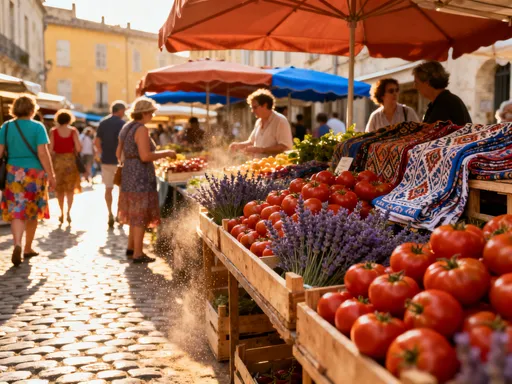
Hidden in plain sight are family-run tavernas with no websites, no online reviews, and often no signs in English. Their menus are handwritten on chalkboards, changing daily based on what’s fresh from the garden or caught at dawn in the Ionian Sea. One such place, tucked behind a quiet church in the village of Krestena, serves only six tables and opens just five evenings a week. There, a grandmother and her daughter prepare dishes using vegetables from their own plot—tomatoes so ripe they burst with sweetness, zucchini still dusted with soil, and greens foraged from nearby hillsides.
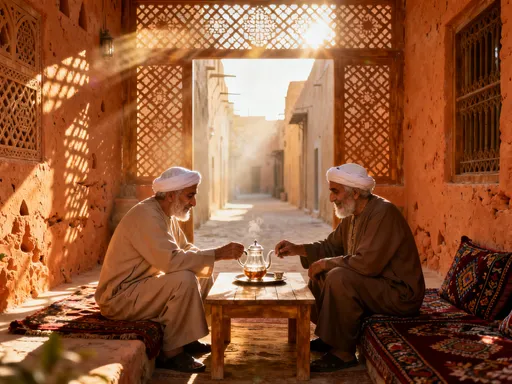
Another gem lies along the road to Pyrgos, where a modest roadside eatery with plastic chairs and a wood-fired grill draws locals from miles around. Its fame rests not on décor or marketing but on consistency and integrity. The owner, a former shepherd, sources lamb from his brother’s flock and marinates it in local wine and wild thyme. He speaks little English but welcomes guests with a nod and a glass of house-made raki. This is the kind of place where meals begin with an unspoken understanding: you are not just a customer; you are a guest.
Discovering these spots requires patience and curiosity. It means walking without a map, asking directions from shopkeepers, and learning a few essential Greek phrases. But the reward is more than a good meal—it is connection. In these unassuming tavernas, food is not a transaction. It is an offering, a gesture of hospitality that has defined Greek culture for millennia. For the thoughtful traveler, this is the true Olympia: not the monument, but the moment when a stranger is made to feel like family over a shared plate of food.
The Taste of Terroir: How the Land Shapes Local Dishes
The concept of terroir—how environment influences flavor—is often associated with wine, but in Olympia, it defines the entire cuisine. The region’s fertile valley, carved by the Alpheios River and sheltered by forested hills, creates ideal conditions for agriculture. Rich soil, abundant sunlight, and clean mountain water converge to produce ingredients of exceptional quality. Tomatoes grow deep red and intensely sweet, olives yield oil with a peppery finish, and wild herbs like oregano, thyme, and sage thrive in rocky clearings, absorbing the sun’s warmth and the earth’s minerals.
One of the most distinctive products of the region is thyme honey, harvested from hives placed in high-altitude meadows where wild thyme blooms in late spring. Beekeepers rise before dawn to collect frames golden with nectar, their faces weathered by years of working in silence with the insects. This honey, thick and aromatic, is drizzled over yogurt, used in baking, or eaten by the spoonful as a natural remedy. Locals swear by its antibacterial properties and often gift jars to visitors as tokens of health and goodwill.
Equally important is the olive. Kalamata olives, though named for a distant city, are cultivated throughout the Peloponnese, including near Olympia. Families maintain small groves, harvesting by hand in the autumn to preserve the fruit’s integrity. The oil produced is green, fragrant, and slightly bitter—a far cry from the bland, mass-produced versions found in supermarkets. It is used generously in cooking, as a dip for bread, and even as a base for medicinal salves in some households.
Small producers play a vital role in maintaining this connection between land and plate. Many are multi-generational farms that reject industrial methods in favor of sustainable practices. Crop rotation, natural fertilizers, and hand harvesting are standard. These farmers do not grow food for export or profit margins; they grow it for their tables and their communities. When you eat in a local taverna, you are likely consuming ingredients that traveled fewer than ten kilometers from soil to skillet. This proximity ensures freshness, but more importantly, it preserves a way of life—one where food is not a commodity, but a legacy.
A Day on a Plate: Breakfast, Lunch, and Dinner Like a Local
To eat in Olympia is to follow the rhythm of the sun. Meals are not scheduled around convenience but aligned with natural cycles—light, temperature, and energy. A day begins early, with the first light filtering through shutters and the scent of coffee brewing in a briki on the stove. Breakfast is simple but satisfying: thick Greek yogurt, strained for hours until it forms soft peaks, topped with a generous spoonful of thyme honey and a sprinkle of crushed walnuts. Served alongside is a slice of village bread, still warm from the oven, perfect for soaking up the last traces of honey and cream.
By midday, when the sun hangs high and the air shimmers over stone paths, lunch is a balance of freshness and flavor. A typical plate might include grilled sardines, caught just hours before and cooked over charcoal until the skin crackles. They are served with a dakos salad—barley rusks softened with water, then layered with ripe tomatoes, crumbled feta, capers, and a generous drizzle of olive oil. The combination is bright, salty, and deeply satisfying, designed to refresh rather than weigh down. A glass of chilled Assyrtiko wine or a sprig of mountain tea completes the meal, offering both hydration and a gentle digestive aid.
Dinner, in contrast, is a slower, more communal affair. As the evening cools and families gather, the aroma of stifado fills the air. This slow-braised rabbit or beef stew, flavored with onions, cinnamon, and red wine, simmers for hours in a clay pot over a wood fire. The result is tender meat in a rich, slightly sweet sauce, served with crusty bread or boiled potatoes to soak up every drop. Side dishes vary—perhaps sautéed greens with garlic, or roasted eggplant with yogurt—but the focus remains on warmth and comfort.
What unites these meals is their honesty. There are no elaborate plating techniques, no imported ingredients, no attempt to impress. Each dish reflects necessity, seasonality, and care. Even desserts are humble: a slice of melitinia, a cheese-filled pastry flavored with mastic, or a bowl of fresh figs drizzled with honey. To eat like a local is not about indulgence, but about alignment—with the land, the season, and the people around you. It is a reminder that nourishment is not merely physical, but emotional and cultural as well.
The Heart of the Kitchen: Meeting the People Behind the Food
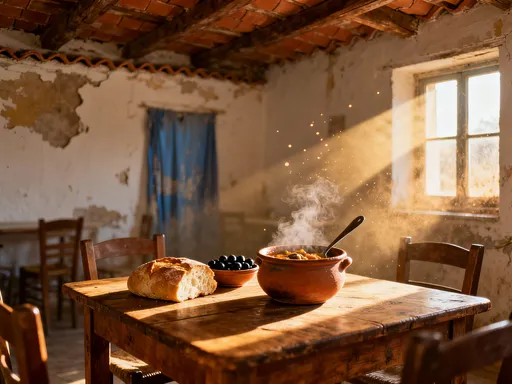
In Olympia, the kitchen is more than a room—it is a repository of memory. Recipes are not written down but carried in the hands, eyes, and instincts of those who prepare them. Many of the region’s best cooks are women in their sixties and seventies, grandmothers who learned from their mothers and now teach their daughters. Their kitchens are modest, often with chipped tiles and well-worn utensils, but every object has purpose. A wooden spoon, darkened by years of use, stirs the stew. A clay pot, passed down through generations, holds the stifado. These tools are not relics; they are active participants in the act of creation.
One such cook, Eleni, runs a small taverna in the village of Lepreo with her two daughters. She speaks softly, her hands never still as she shapes dough for spanakopita. “My grandmother taught me to cook with what the earth gives,” she says. “Not what the store sells.” Her menu changes weekly, sometimes daily, depending on what arrives from the garden or the market. She refuses to serve frozen meat or canned tomatoes, even in winter. “If it’s not fresh,” she says, “it’s not worth eating.”
Her commitment reflects a broader sentiment among local food producers: pride in authenticity, concern for its erosion, and cautious hope for its preservation. Many worry that younger generations are losing interest in traditional methods, drawn instead to fast food and urban lifestyles. Yet there are signs of renewal. Some young chefs are returning from Athens or abroad, determined to revive regional cuisine with modern sensibilities without sacrificing integrity. They collaborate with farmers, host seasonal tasting menus, and participate in local food festivals.
These efforts matter because food in Olympia is not just about taste—it is about identity. When a recipe survives for a century, it carries with it stories of hardship, celebration, migration, and resilience. To lose it is to lose a thread of cultural memory. The people who keep these traditions alive do so not for fame or profit, but out of love and duty. They understand that every meal is a bridge—between past and present, between family and community, between land and body. In their hands, cooking becomes an act of resistance, a quiet declaration that some things are worth preserving, even in a changing world.
How to Eat Well in Olympia: Practical Tips for the Thoughtful Traveler
For visitors seeking authentic culinary experiences, knowing where and how to eat can make all the difference. The key is to look beyond the obvious. Restaurants located within 200 meters of the archaeological site often cater to tour groups and may rely on pre-made ingredients and inflated prices. A better strategy is to walk into the residential areas of Archaia Olympia or visit nearby villages like Dimitsana or Andritsaina, where dining is driven by locals, not tourism quotas.
One reliable indicator of authenticity is the menu. Avoid places with laminated, English-only menus listing twenty kinds of moussaka. Instead, seek out establishments where the menu is handwritten, changes daily, and includes regional specialties like kontosouvli (grilled pork skewers), fasolada (white bean soup), or wild greens pie. Another sign is the presence of older patrons. If the dining room includes families and elderly couples, it is likely a trusted spot.
Timing also matters. Greeks eat late, and the best meals are often served between 8:30 and 10:30 p.m. Arriving earlier may mean waiting for the kitchen to warm up—or worse, being offered reheated food. Lunch, too, is typically later than in northern Europe or North America, often beginning after 2:00 p.m. Patience is rewarded: dishes are prepared to order, not kept under heat lamps.
Equally important is ethical dining. Choosing family-run tavernas over chain-style restaurants supports local economies and helps preserve culinary traditions. Avoiding overpriced tourist traps is not just financially wise—it is a form of cultural respect. When you pay fairly for a meal made with care, you become part of a system that values quality over convenience. And if you are unsure what to order, ask. Most owners are happy to explain their specialties, often pointing proudly to a dish their mother used to make. A simple “Ti proteinete?” (“What do you recommend?”) can open the door to the best meal of your trip.
From Ancient Ritual to Modern Plate: The Future of Olympia’s Food Culture
As tourism in the Peloponnese continues to grow, so does the pressure on local food culture. There is a real risk that Olympia’s culinary heritage could be diluted—transformed into a caricature of itself to meet mass demand. Already, some restaurants near the ruins offer “ancient Greek” tasting menus that bear little resemblance to actual tradition, relying on theatrical presentation over substance. The challenge now is not just to preserve authenticity, but to ensure it remains alive, relevant, and accessible.
Encouragingly, grassroots efforts are underway. The Slow Food movement has gained traction in the region, with local chapters promoting heirloom seeds, traditional farming, and artisanal production. Annual festivals celebrate regional dishes, bringing together cooks, farmers, and visitors in shared appreciation. Schools are beginning to incorporate food education into their curricula, teaching children how to grow vegetables, identify wild herbs, and prepare family recipes.
These initiatives reflect a growing awareness that food is not just fuel, but a cornerstone of cultural identity. When a child learns to make hilopites (hand-cut pasta) from their grandmother, they are not just acquiring a skill—they are inheriting a story. When a farmer chooses to harvest olives by hand instead of machine, they are making a statement about values. And when a traveler chooses to eat in a village taverna rather than a tourist cafeteria, they are voting with their fork for a more sustainable, meaningful way of living.
The future of Olympia’s cuisine depends on such choices. It depends on cooks who refuse to cut corners, on farmers who honor the land, and on travelers who seek depth over convenience. More than that, it depends on the belief that food can be more than consumption—that it can be connection, memory, and reverence. To eat in Olympia is to taste the past, but also to help shape the future. In every bite, there is an invitation: to slow down, to savor, and to remember that some traditions are too precious to let go.