You Won’t Believe These Hidden Wild Corners of Bled
Most people think Bled is just a postcard lake with a fairy-tale church on an island. But I stumbled upon something deeper—untouched forests, silent trails, and protected valleys where nature still rules. I’m talking about Slovenia’s quiet commitment to preserving beauty beyond the crowds. If you’ve ever wanted to see Bled like almost no one else does, where every footstep feels like discovery, then stick around. This isn’t just a trip—it’s a whispered secret in the Alps.
Beyond the Postcard: The Other Side of Bled
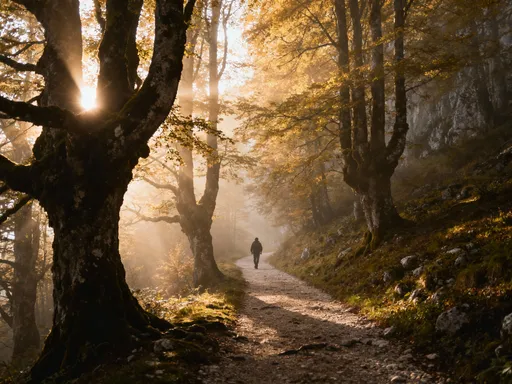
When most travelers picture Bled, they imagine the emerald waters of the glacial lake, the medieval castle perched on a cliff, and the small island with its iconic bell tower rising from the mist. These images are real, and they are breathtaking—but they represent only a fraction of what this alpine region offers. Beyond the well-trodden promenade and the rowboats ferrying tourists to the island lies a quieter, wilder Bled. A place where pine-scented air fills your lungs before you’ve even opened your eyes, where sunlight filters through ancient beech trees, and where silence isn’t broken by chatter, but by the rustle of a deer moving through underbrush.
This hidden dimension of Bled exists because of deliberate conservation efforts that stretch far beyond the lake’s edge. While the town draws visitors with its charm, the surrounding landscape is quietly protected under Slovenia’s national environmental policies. Large swaths of land near Bled fall within or adjacent to Triglav National Park, the country’s only national park, which acts as a green shield against unchecked development. These areas are not just scenic backdrops; they are living ecosystems carefully preserved to maintain biodiversity, protect watersheds, and allow nature to evolve with minimal human interference.
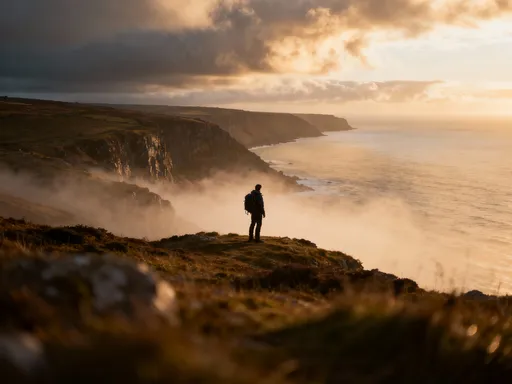
Walking through these lesser-known zones feels like stepping into a different era—one where nature sets the pace. Early mornings reveal dew-laden spiderwebs strung between ferns, and the distant call of the black woodpecker echoes through the valleys. There are no souvenir shops here, no crowded viewpoints—just the rhythm of the forest. This is Bled as it was meant to be experienced: not as a checklist of landmarks, but as a living, breathing alpine sanctuary.
Triglav National Park: Slovenia’s Protected Heart
At the core of Slovenia’s environmental stewardship lies Triglav National Park, a vast expanse of protected wilderness that covers much of the Julian Alps and extends its influence into the Bled region. Established in 1981 and named after Mount Triglav—the country’s highest peak and a national symbol—the park spans over 880 square kilometers and serves as a model for sustainable conservation in Europe. While Bled itself is not entirely within the park’s official boundaries, its proximity means that the same ecological principles apply: minimal infrastructure, strict limits on construction, and a focus on preserving natural processes.
The park is a haven for native species that have vanished from much of Central Europe. Here, the Alpine ibex—once hunted to near extinction—now climbs rocky cliffs with sure-footed grace. Golden eagles soar above deep valleys, scanning the terrain for prey, while the elusive Eurasian lynx leaves faint tracks in the snow, unseen by most. The forests are home to centuries-old spruce and beech trees, some of which have stood since before industrialization began. These old-growth stands are not just beautiful; they are carbon sinks, water regulators, and habitats for countless insects, birds, and mammals.
One of the park’s most vital roles is protecting the headwaters of several major rivers, including the Sava and the Radovna. These rivers begin as snowmelt high in the mountains and flow through pristine valleys, their purity maintained by the lack of pollution and the natural filtration provided by forest soils and wetlands. The park’s management enforces strict rules: no motorized vehicles, no hunting, no camping outside designated zones, and no removal of plants or rocks. These regulations aren’t arbitrary—they are science-based measures designed to keep ecosystems resilient in the face of climate change and increasing visitor numbers.
For visitors, this means access is carefully balanced. Trails are well-marked but intentionally rustic, with wooden bridges and stone steps that blend into the landscape. Informational signs explain the ecological significance of what you’re seeing, turning a simple hike into a lesson in alpine ecology. The goal isn’t to exclude people, but to ensure that every footfall leaves the lightest possible trace. This philosophy of low-impact tourism is what makes Triglav National Park not just a destination, but a promise—a promise to future generations that wild places can still exist, even in a crowded world.
Hidden Trails That Lead to Silence
If you want to experience Bled’s wild soul, you must step off the main paths. While thousands walk the lakeside ring each day, far fewer venture into the forested slopes and quiet valleys that cradle the town. These hidden trails offer something increasingly rare: solitude. One such route begins in the village of Selo, just south of Bled, where a narrow path winds uphill through a mixed forest of beech, fir, and maple. Within minutes, the sound of traffic fades, replaced by the crunch of gravel underfoot and the occasional trill of a songbird.
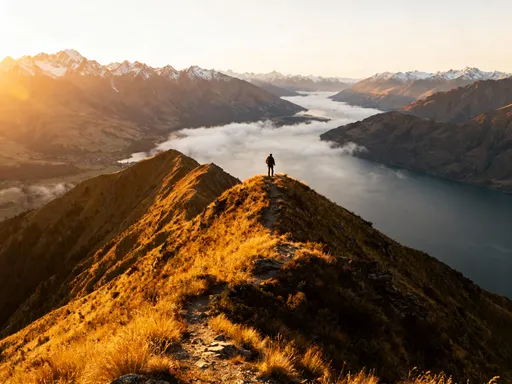
The trail to Mala Gora, a modest peak with panoramic views, is not marked on most tourist maps, yet it rewards hikers with sweeping vistas of the Karavanke range and the distant peaks of Austria. What makes this path special isn’t just the view, but the journey—passing through sun-dappled glades, crossing small wooden footbridges over crystal-clear streams, and emerging into limestone clearings where wild thyme and gentians bloom in summer. There are no cafes at the summit, no souvenir stalls—just a simple stone marker and the wind.
Another lesser-known route lies behind Mount Straza, the hill made famous by the annual Bled Island Marathon. While the main slope is crisscrossed with ski runs and cycling paths, the northern flank remains wild. A network of forest trails here leads through dense pine woods, where the air is cool even at midday. These paths are used mostly by locals and mushroom foragers in autumn, making them ideal for those seeking quiet. The trail markers—red-and-white painted blazes on trees—are easy to follow, and the difficulty level is moderate, suitable for families and older adults with reasonable fitness.
The best time to walk these trails is early morning or late afternoon, when mist curls around tree trunks and the light turns golden. Spring brings the scent of blooming wild garlic, while autumn paints the hills in shades of amber and crimson. Hikers should bring water, wear sturdy shoes, and carry a basic map or GPS device, as mobile signal can be spotty. Most importantly, they should move slowly—this is not a race, but a pilgrimage into nature. Each step becomes a form of mindfulness, a way to reconnect with the rhythms of the earth.
Vintgar Gorge and Its Protected Pulse
Vintgar Gorge is one of Bled’s most visited natural attractions, drawing tens of thousands each year to witness the Radovna River carving its way through 1.6 kilometers of limestone. Yet beneath its popularity lies a carefully managed conservation success story. The gorge is not just a scenic wonder—it is a protected natural monument, where every visitor is part of a controlled experience designed to minimize environmental impact.
The wooden boardwalks that wind along the river are more than just safety features; they are barriers that prevent soil erosion and protect the fragile riparian vegetation. The number of daily visitors is capped, especially during peak season, and timed entry tickets help distribute foot traffic evenly. These measures ensure that the delicate balance of the ecosystem—home to freshwater crayfish, brown trout, and rare mosses—is not disrupted by overcrowding.
What many tourists don’t realize is that the true wildness of the area begins just beyond the official path. Once the boardwalk ends, the river continues into a more secluded stretch, where the forest closes in and the sound of water dominates. Rangers occasionally lead guided excursions into these restricted zones, offering insights into the geology, hydrology, and biology of the gorge. They explain how the limestone formations were shaped over millennia, how the river’s flow changes with the seasons, and why certain plants grow only in this specific microclimate.
Vintgar Gorge is a model of how tourism and conservation can coexist. It shows that beauty does not have to be sacrificed for protection, nor does protection require complete exclusion. Instead, it offers a middle path—where people can witness nature’s power up close, but only under conditions that respect its fragility. For the mindful traveler, this balance is not a limitation, but an invitation to look deeper, to listen more closely, and to understand that even the most dramatic landscapes depend on quiet, unseen forces.
Wetlands and Waterways: The Quiet Guardians of Bled
While mountains and forests dominate the image of Bled, its wetlands play an equally vital role in maintaining ecological health. These often-overlooked areas—such as the Zajčje Polje karst fields and the floodplains along the Sava Dolinka River—are not dramatic in the way a waterfall or peak might be, but they are indispensable. They act as natural water filters, removing pollutants and sediments before water reaches the lake. They also serve as buffers during heavy rains, absorbing floodwaters and reducing the risk of damage to nearby communities.
Zajčje Polje, a seasonal wetland near the village of Zasip, transforms with the seasons. In spring, when snowmelt swells the groundwater, it becomes a mosaic of shallow pools and reed beds. This temporary wetland provides critical breeding grounds for amphibians like the agile frog and the alpine newt. Dragonflies dart above the surface, their iridescent wings catching the light, while grey herons stand motionless at the water’s edge, waiting to strike.
These areas are also rich in plant life, including rare orchids and carnivorous sundews that thrive in the nutrient-poor soil. Though small in size, they support a surprising diversity of species. Because they are not marketed as tourist attractions, they remain peaceful and undisturbed—ideal for quiet observation and nature photography. Boardwalks and viewing platforms have been installed in some sections to allow access without damaging the delicate ground.
The Sava Dolinka floodplains further downstream function as a natural sponge, storing excess water during storms and slowly releasing it back into the river system. This process helps maintain consistent water levels in Lake Bled, which is fed by underground springs connected to the same aquifer. Without these wetlands, the lake would be more vulnerable to pollution and extreme fluctuations. Their preservation is not just an environmental priority—it is a practical necessity for the health of the entire region.
How to Visit Responsibly—Without Breaking the Spell
Experiencing Bled’s hidden corners is a privilege, not a right—and it comes with responsibility. The very qualities that make these places special—solitude, clarity, untouched beauty—are fragile. They can be eroded not by malice, but by thoughtlessness: a plastic bottle left behind, a detour off a marked trail, a drone buzzing over a quiet valley. The good news is that responsible tourism doesn’t require sacrifice; it simply asks for awareness and intention.
One of the easiest ways to reduce your impact is by choosing low-impact transportation. Bled is well-connected by bike paths, and renting an electric shuttle or bicycle allows you to explore without adding to congestion or emissions. Many local operators now offer eco-certified tours, using guides trained in environmental interpretation and sustainability practices. These tours often include visits to lesser-known sites, providing a richer, more educational experience than standard itineraries.
Respecting trail closures is another crucial step. These restrictions are not arbitrary—they are based on ecological assessments, such as nesting bird seasons or soil recovery periods. Staying on marked paths prevents erosion and protects plant life. Carrying a reusable water bottle and avoiding single-use plastics helps keep the landscape clean. Even small choices, like packing out your food waste, make a difference in an ecosystem where decomposition is slow.
Supporting local, eco-conscious businesses amplifies your positive impact. Family-run inns that use renewable energy, restaurants sourcing ingredients from nearby farms, and artisans selling handmade goods all contribute to a sustainable economy. Some lodgings even partner with conservation groups, donating a portion of proceeds to trail maintenance or wildlife monitoring.
For those seeking deeper engagement, ranger-led programs offer guided walks, birdwatching sessions, and educational talks on alpine ecology. Nature apps developed by Slovenian environmental organizations can also enhance your visit, providing real-time information on species, geology, and conservation efforts. These tools don’t replace the experience of being present—they deepen it, turning a simple walk into a meaningful connection with place.
Why These Hidden Places Matter—Now More Than Ever
The quiet valleys, protected rivers, and hidden trails of Bled are not just beautiful—they are essential. In an era of climate change, biodiversity loss, and overtourism, places like these serve as refuges, laboratories, and reminders of what is possible when humans choose restraint over exploitation. The alpine ecosystems around Bled are particularly vulnerable to warming temperatures, which threaten snowpack, alter growing seasons, and disrupt species interactions. Yet, because of long-standing conservation efforts, these areas remain resilient—able to adapt, recover, and continue supporting life.
Bled’s model of quiet preservation offers lessons far beyond Slovenia. It shows that tourism does not have to mean degradation—that beauty can be shared without being spoiled. It proves that communities can thrive economically while protecting their natural heritage. And it reminds us that not every corner of the Earth needs to be photographed, rated, or monetized. Some places are most valuable when they remain unseen, untouched, and unspoiled.
For the traveler, this means redefining what a meaningful journey looks like. It’s not about checking off landmarks or capturing the perfect Instagram shot. It’s about slowing down, listening, and recognizing that we are guests in a world that existed long before us and must continue after we’re gone. To walk the hidden trails of Bled is to participate in an act of quiet reverence—to move through the world with care, curiosity, and gratitude.
So the next time you plan a trip, ask yourself not just where you want to go, but how you want to be there. Seek depth over dazzle. Choose presence over possession. And remember: the most unforgettable experiences are often the ones that leave no trace—except in the heart.