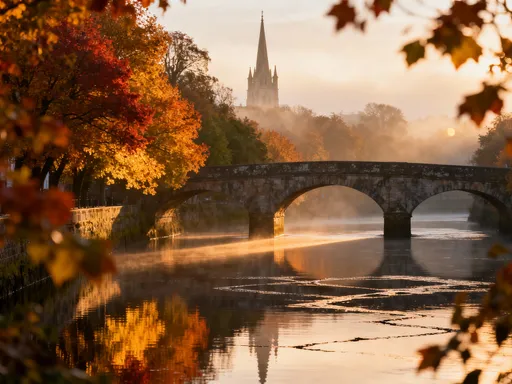
You Gotta See This – Wales’ Wild Landscapes Just Blew My Mind
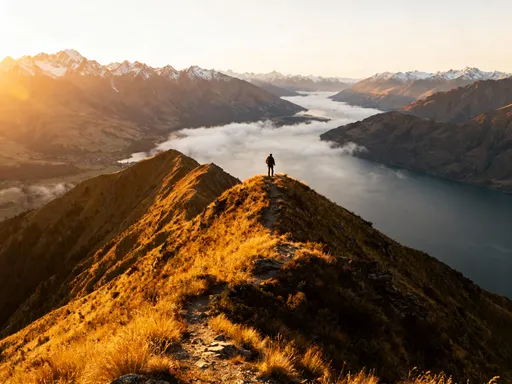
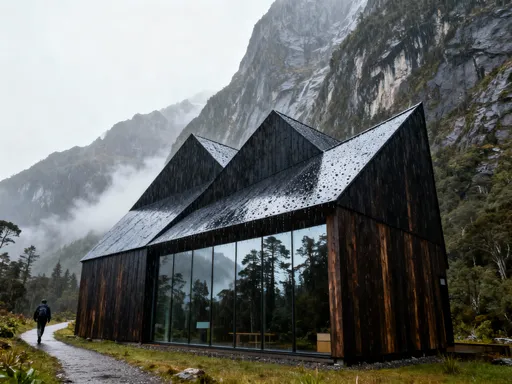
If you’ve ever doubted that raw, untouched nature still exists in the UK, Wales will shut you up fast. I arrived expecting hills and sheep—cute, sure—but what I found was pure magic. Towering cliffs, silent valleys, and lakes so clear they look photoshopped. This isn’t just scenery; it’s a soul reset. From coastal paths to mountain mists, every turn feels like stepping into a myth. Let me take you through the real Wales—no filters, just feeling. The country’s compact size belies its dramatic diversity: within a few hours’ drive, you can cross from windswept headlands to alpine-like peaks, from ancient woodlands to shores where the tide uncovers hidden rock pools. It’s a place where nature isn’t tamed but celebrated, where the rhythm of life still bends to the weather and the seasons. This is not a destination for flashy resorts or crowded landmarks. It’s for those who seek stillness, depth, and the kind of beauty that lingers long after you’ve left.
First Impressions: Stepping Into a Living Postcard
Touching down at Cardiff Airport, the first hint of what’s to come appears almost immediately. The city, while modern and welcoming, serves as a quiet gateway to the wilder parts of the country. The real transformation begins on the road north. As the M4 gives way to narrower, winding roads, the landscape shifts from urban sprawl to rolling green farmland, then to steeper, more rugged terrain. Stone walls snake across hillsides, sheep dot the pastures, and sudden rain showers sweep across the valleys like ghosts. By the time you reach the edge of the Brecon Beacons or the foothills of Snowdonia, the air feels different—cleaner, crisper, charged with a kind of quiet energy.
What strikes most visitors is the sheer scale of the untouched land. Wales may be small in area, but its topography is anything but modest. Mountains rise abruptly from the coastline, and valleys plunge deep into the earth, carved by glaciers and rivers over millennia. The sense of wildness is palpable. There are no fences stretching endlessly across the horizon, no sprawling developments blotting out the views. Instead, there’s an overwhelming sense of space and solitude. You can walk for miles and not see another soul—only the occasional shepherd, a distant dog barking, or a buzzard circling high above.
The sensory experience deepens the connection. The wind carries the scent of damp earth and wild thyme. Rain on stone has a distinct smell—mineral and ancient—especially after a summer shower. In remote areas like the Cambrian Mountains or the upper reaches of the River Dee, silence is not an absence but a presence. It wraps around you, calming the mind and sharpening the senses. This is not nature as a backdrop but as a living, breathing entity. The contrast with expectations is profound. Many come imagining gentle, postcard-perfect hills. What they find is a land that feels alive, untamed, and humbling in its power.
Pembrokeshire Coast: Where the Sea Carves Magic
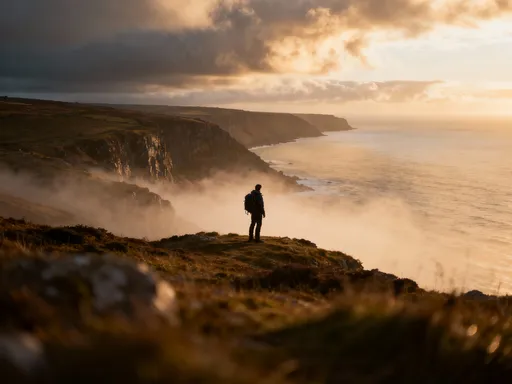
The Pembrokeshire Coast National Park is one of the few coastal national parks in the UK, and for good reason. Stretching over 180 miles, it offers some of the most breathtaking seascapes in western Europe. The Pembrokeshire Coast Path, a designated National Trail, traces the entire shoreline, winding through cliffs, dunes, and secluded coves. It’s a route that rewards patience and curiosity, revealing new wonders with every mile.
One of the most iconic spots along the trail is Barafundle Bay. Often compared to a Caribbean beach, it features fine golden sand, turquoise water, and a backdrop of lush dunes. Yet unlike tropical destinations, Barafundle feels undiscovered, accessible only by foot or boat. There are no cafes, no sun loungers—just nature in its purest form. Nearby, the limestone cliffs of Stackpole Quay rise dramatically from the sea, pockmarked with sea caves and natural arches shaped by centuries of wave action. At low tide, hidden coves like Church Doors and Whitsand Bay emerge, revealing rock pools teeming with marine life—starfish, anemones, and small crabs scuttling between the stones.
Wildlife is abundant along this stretch of coast. Seals bask on rocky outcrops, especially around the island of Grassholm, home to one of the largest gannet colonies in the world. Along the cliffs, puffins, razorbills, and kittiwakes nest in the crevices, their calls echoing in the wind. Further out, dolphins are frequently spotted riding the waves, their dorsal fins cutting through the surf. On calm mornings, kayakers paddle silently through sheltered bays, offering an intimate perspective on this marine-rich environment.
Walking the Pembrokeshire Coast Path is more than exercise—it feels like a pilgrimage. Each section tells a story: of ancient mariners, of shipwrecks and survival, of a culture shaped by the sea. The path passes ruined chapels, Iron Age forts, and medieval fishing villages where life still moves at a slower pace. There’s a rhythm to the walk—step after step, wave after wave—that clears the mind and grounds the spirit. It’s not about reaching a destination but about being present in the journey, feeling the salt on your skin, the sun on your back, and the constant, reassuring presence of the ocean.
Snowdonia’s Majesty: Peaks That Demand Respect
No visit to Wales is complete without encountering Snowdonia. This mountainous region in North Wales is home to Mount Snowdon, the highest peak in England and Wales at 1,085 meters. But Snowdonia is more than just one mountain—it’s a vast wilderness of jagged ridges, deep glacial valleys, and mirror-like lakes. The name itself, derived from the Old English for “land of the foreigners,” hints at its historical isolation and rugged character.
Reaching the summit of Snowdon can be done in several ways, each offering a different kind of experience. The most popular hiking routes—Llanberis Path, Pyg Track, and Miners’ Track—vary in difficulty and scenery. The Llanberis Path is the longest but most gradual, winding through historic slate quarries and offering panoramic views of the surrounding peaks. The Pyg Track, though shorter, is steeper and more exposed, often shrouded in mist, making navigation a challenge even for experienced hikers. For those seeking a less strenuous ascent, the Snowdon Mountain Railway offers a nostalgic journey aboard a vintage steam or diesel locomotive, climbing from Llanberis to the summit in about an hour.
Reaching the top on foot is a deeply emotional experience. On a clear day, the view stretches across the Irish Sea to the Isle of Man, down into the valleys of Gwynedd, and across the patchwork of lakes and forests below. The summit building, housing a visitor center and café, stands as a testament to human endurance, but it’s the natural surroundings that command awe. The wind howls across the rocky plateau, and clouds drift in and out with startling speed, transforming the landscape from brilliant sunshine to eerie fog in minutes. It’s a reminder of nature’s power and unpredictability.
Snowdonia is more than a destination for hikers—it’s central to the cultural identity of North Wales. The region has long been a stronghold of the Welsh language and traditions. Villages like Beddgelert and Betws-y-Coed retain their historic charm, with stone cottages, local inns, and a deep connection to the land. The mountains are not just scenic backdrops; they are part of the soul of the people. Generations have lived, worked, and found inspiration here—from poets to shepherds, from quarrymen to modern-day adventurers. To walk these trails is to walk in the footsteps of history, feeling the weight and wonder of a landscape that has shaped a nation.
The Llyn Peninsula: Undiscovered Beauty and Coastal Soul
If Pembrokeshire draws the crowds and Snowdonia the climbers, the Llyn Peninsula remains one of Wales’ best-kept secrets. Jutting into the Irish Sea like a finger of land, it offers a quieter, more contemplative kind of beauty. Far from the main tourist routes, it’s a place where time slows and the rhythm of life follows the tides.
The peninsula is dotted with wild beaches—some sandy, others rocky, all stunning. Aberdaron Beach, at the very tip of the peninsula, faces west into the setting sun, making it one of the most magical places to watch the day end. As the light fades, the sky turns gold, then pink, then deep violet, reflected in the calm waters of the bay. Nearby, the beach at Porth Iago offers a more dramatic scene—boulders scattered across the shore, waves crashing against sea stacks, and a sense of being at the edge of the world.
The cultural heritage of the Llyn Peninsula is equally compelling. Ancient chapels, some dating back to the 12th century, stand in remote locations, their stone walls weathered by wind and rain. These were places of pilgrimage in medieval times, and walking the old paths between them—such as the path from Aberdaron to the island of Bardsey, known as the “Island of 20,000 Saints”—feels like stepping into a spiritual landscape. Bardsey Island itself, reachable by boat, is a haven for birdwatchers and those seeking solitude, with no permanent residents and no cars.
Fishing villages like Abersoch and Nefyn retain their traditional character, with colorful houses, small harbors, and family-run seafood shacks. The pace of life is unhurried. Locals greet each other by name, and the rhythm of the day revolves around the sea. For visitors, the key to enjoying the Llyn Peninsula is slow travel—staying for several days, exploring on foot or by bike, and allowing the landscape to reveal itself gradually. It’s not about ticking off sights but about feeling the pulse of a place that resists commercialization and remains deeply authentic.
Brecon Beacons: Starlight, Rivers, and Open Skies
In the heart of southern Wales, the Brecon Beacons National Park offers a different kind of wilderness—one defined by open moorlands, rushing rivers, and some of the darkest skies in Europe. Designated as an International Dark Sky Reserve, the park is a sanctuary for stargazers. On clear nights, the Milky Way arcs across the heavens, and shooting stars streak silently overhead. There are no city lights to dull the view, no ambient glow to wash out the constellations. It’s a rare opportunity to reconnect with the cosmos, to remember how small we are in the vastness of the universe.
By day, the park offers equally profound experiences. One of the most beloved destinations is Henrhyd Falls, the tallest waterfall in Wales at 90 feet. Hidden in a wooded gorge, it’s reached via a moderate hike through moss-covered trees and rocky paths. The sound of the falling water grows louder with each step, and when the falls finally come into view, the sight is breathtaking—water plunging into a deep pool below, surrounded by ferns and ancient rock. On rainy days, the mist rises like smoke, giving the scene an almost mystical quality.
The River Usk, which flows through the eastern part of the park, is another highlight. Known for its excellent trout and salmon fishing, it also offers peaceful riverside walks through meadows and woodlands. The water is clear and cold, fed by mountain springs, and the banks are lined with kingfishers, dippers, and the occasional otter. In towns like Crickhowell and Brecon, the river runs through the heart of the community, with footbridges, parks, and riverside pubs where locals gather in the evenings.
What makes the Brecon Beacons so restorative is its sense of solitude. Unlike more crowded national parks, it’s possible to hike for hours without seeing another person. That solitude isn’t lonely—it’s healing. It allows the mind to quiet, to let go of daily stresses and reconnect with a deeper sense of self. Whether you’re standing under a star-filled sky, listening to the rush of a waterfall, or simply sitting by the river with a warm drink, the Brecon Beacons offers a rare gift: mental clarity born from natural immersion.
Practical Magic: Getting Around, Where to Stay, When to Go
Exploring Wales requires some planning, but the rewards far outweigh the effort. The most flexible way to travel is by rental car. While public transportation connects major towns, rural areas—especially in the north and west—are poorly served by buses and trains. A car allows you to access remote trails, hidden beaches, and mountain passes at your own pace. Roads are generally well-maintained, though narrow and winding in mountainous regions, so cautious driving is advised, especially in fog or rain.
Accommodation options are diverse and often reflect the character of the region. In Snowdonia and Pembrokeshire, eco-friendly cabins and glamping sites have become increasingly popular, offering comfort without sacrificing connection to nature. Traditional inns and B&Bs, many family-run for generations, provide warm hospitality and hearty Welsh breakfasts. For a more immersive experience, self-catering cottages allow travelers to settle in and live like locals, even if just for a few days. Campsites, both official and wild (where permitted), are ideal for those seeking a true back-to-nature experience.
Timing your visit is crucial. Summer (June to August) offers the longest days and best chance of dry weather, but it’s also the busiest season, especially in popular areas like Snowdon and the Pembrokeshire Coast. Spring (April to May) and early autumn (September to October) provide milder crowds, pleasant temperatures, and stunning seasonal colors—wildflowers in spring, golden bracken in autumn. Winter visits are possible but require preparation for cold, wet conditions and shorter daylight hours. However, winter also brings its own magic—empty trails, frost-covered landscapes, and the chance to see the peaks dusted with snow.
Packing for Wales means preparing for changeable weather. Even in summer, temperatures can drop quickly, and rain is never far away. Layers are essential: a moisture-wicking base layer, a warm mid-layer like fleece, and a waterproof outer shell. Sturdy hiking boots with good grip are a must, especially on rocky or muddy trails. Don’t forget a hat and gloves, even in warmer months—wind chill at higher elevations can be biting. A reusable water bottle, map, and compass (or GPS) are also recommended, as mobile signal can be unreliable in remote areas.
Why Wales Changes You – More Than Just a Visit
Wales does not simply impress—it transforms. To spend time in its landscapes is to be reminded of what it means to be human in a natural world. The silence of its valleys, the power of its cliffs, the clarity of its rivers—they recalibrate the soul. In a culture that often values speed, noise, and constant connection, Wales offers a rare alternative: slowness, stillness, and presence.
This transformation is not accidental. The Welsh people have a deep cultural pride in their land and a strong commitment to preserving it. National parks cover nearly 20% of the country, and conservation efforts are widespread. The principle of “leaving no trace” is not just a slogan but a way of life. Hikers pack out their waste, locals protect nesting birds, and communities advocate for sustainable tourism. This respect for nature is contagious. Visitors often find themselves adopting the same mindset—treading lightly, moving slowly, and appreciating the small wonders.
Traveling mindfully in Wales means more than following rules—it means cultivating a relationship with the land. It means choosing paths that minimize impact, supporting local businesses, and listening to the stories of the people who call this place home. It means understanding that beauty is not something to be consumed but to be honored. When you leave Wales, you carry more than photographs. You carry a sense of peace, a deeper awareness of nature’s rhythms, and the quiet certainty that such places are worth protecting.
In the end, Wales doesn’t just show you wild landscapes—it reminds you of your own wildness. The courage to climb, the patience to wait for a sunrise, the joy of a simple walk along the shore. These are not just activities but acts of reconnection. So go, but go gently. Let the wind speak to you. Let the mountains humble you. Let the sea fill your silence. Because Wales isn’t just a place you visit. It’s a place that stays with you—long after you’ve gone.