You Won’t Believe What I Found in Cappadocia’s Hidden Cave Towns
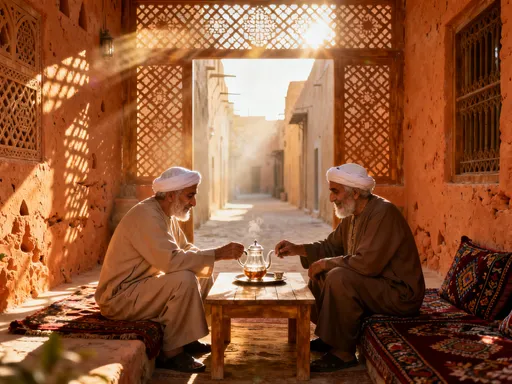
Cappadocia isn’t just hot air balloons and fairy chimneys—it’s a living museum carved into stone. I wandered through ancient cave dwellings, stepped into centuries-old churches, and sipped tea with locals who still live in homes hewn from rock. The culture here doesn’t just survive—it breathes, shifts, and surprises. From underground cities to village traditions frozen in time, Cappadocia’s theme areas offer more than views. They offer connection. And honestly? I wasn’t ready for how deeply it would stick with me.
The Landscape That Shaped a Culture
Cappadocia’s story begins millions of years ago, with volcanic eruptions that blanketed central Anatolia in layers of ash and lava. Over time, these deposits hardened into tuff, a soft volcanic rock easily shaped by wind, water, and human hands. Erosion sculpted the region into a surreal landscape of spires, cones, and plateaus—what we now call fairy chimneys. But beyond their visual drama, these formations created a natural opportunity for shelter. Early inhabitants discovered that the soft rock could be carved with simple tools, allowing them to hollow out homes, storage rooms, and even entire communities within the mountains themselves.
What began as temporary refuge evolved into permanent settlement. By the 4th century, communities had expanded their cave networks to include communal spaces, stables, and water cisterns. The region’s geology provided more than just building material—it offered insulation. Cave interiors remain cool in summer and warm in winter, a natural climate control system that made year-round living not only possible but comfortable. This symbiosis between land and life became the foundation of Cappadocian civilization. The rock wasn’t just a backdrop; it was a partner in survival.
Historically, Cappadocia’s location placed it at the crossroads of empires and trade routes. Its caves offered protection during turbulent periods, from Roman persecutions to Arab invasions. Families and entire villages retreated underground, relying on hidden ventilation shafts and concealed entrances to remain safe. The landscape, therefore, didn’t just influence culture—it shaped its resilience. Even today, the region’s identity is inseparable from its geology. The rock is not merely a material; it is memory, shelter, and sanctuary all at once.
This deep connection between environment and human adaptation continues to define Cappadocia. Modern residents still speak of the land with reverence, recognizing that their ancestors’ survival depended on reading the contours of the earth. The softness of the tuff allowed for innovation, while the durability of deeper layers ensured longevity. In this way, the land taught its people how to live—not against nature, but within it. That lesson remains visible in every carved doorway, every hidden corridor, and every village nestled into the side of a canyon.
Cave Dwellings: More Than Just Homes
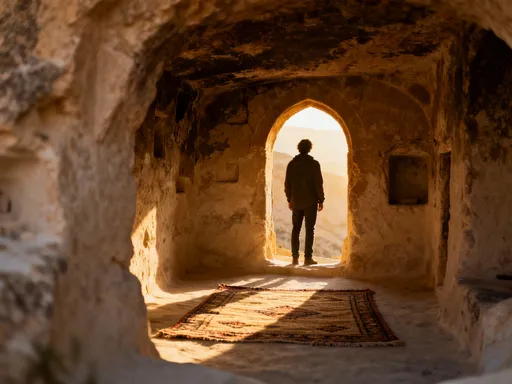
Walking through villages like Ortahisar and Çavuşin, one quickly realizes that cave homes are not relics of the past—they are lived-in, breathing spaces where families raise children, host guests, and carry on daily routines. Many of these troglodyte houses have been continuously occupied for generations, their interiors updated with modern comforts while retaining original architectural features. Wooden doors frame stone archways, and electric lights illuminate chambers once lit by oil lamps. Yet the essence remains unchanged: these are homes shaped by the earth, designed for harmony with the environment.
Architecturally, cave dwellings reflect a sophisticated understanding of space and function. Most homes are carved in a series of interconnected rooms, with larger chambers serving as living areas and smaller niches used for storage or sleeping. Ventilation is achieved through carefully placed shafts that draw cool air from lower levels and expel warm air above, creating a natural airflow system. Thick stone walls provide excellent insulation, maintaining stable temperatures year-round. In winter, families often use small wood-burning stoves, while in summer, the coolness of the rock eliminates the need for air conditioning. These homes are not primitive—they are intelligent responses to climate and geography.
For many residents, living in a cave is a source of pride. It represents continuity, a link to ancestors who built their lives within the same walls. One woman in Uçhisar, whose family has lived in their cave home for over a century, described it as “a gift from the earth.” She spoke of how her grandmother taught her to store food in cool stone alcoves, how the acoustics of the chambers carry lullabies through the house, and how the changing light across the rock face marks the passage of seasons. These homes are not just shelter—they are archives of memory, filled with stories passed down like heirlooms.
Despite modernization, many families resist replacing their cave homes with conventional buildings. Some cite cost-effectiveness—carving space from rock is often cheaper than constructing new buildings. Others emphasize comfort and sustainability. A growing number also see their homes as part of a cultural legacy worth preserving. Local initiatives now support the restoration of historic cave houses, ensuring they meet safety standards while retaining authenticity. In doing so, they honor a way of life that has endured for centuries, adapting without losing its soul.
Sacred Spaces: Rock-Cut Churches and Spiritual Legacy
Among Cappadocia’s most profound treasures are its rock-cut churches, hidden in valleys and carved into cliff faces. The Göreme Open-Air Museum, a UNESCO World Heritage site, is the most famous collection, housing over 30 churches and chapels dating from the 10th to the 13th centuries. These were not grand cathedrals built for spectacle, but intimate spaces of devotion, created by monks seeking solitude and spiritual connection. Their walls are adorned with frescoes—delicate paintings of Christ, the Virgin Mary, saints, and biblical scenes—executed in earth tones and gold leaf, their colors remarkably preserved despite centuries of exposure.
The artistry of these frescoes reflects both religious devotion and cultural exchange. Byzantine influences are evident in the iconography, but local styles emerge in the brushwork and composition. Some paintings show figures with elongated faces and expressive eyes, a regional interpretation of sacred imagery. The churches themselves vary in design—some are simple single-nave chapels, while others, like the Dark Church, feature domed ceilings and intricate vaulting. What unites them is their integration with the landscape. These were not imposed upon the land but emerged from it, as if the rock itself had been awakened to serve a higher purpose.
Preservation remains a critical challenge. Exposure to humidity, temperature fluctuations, and tourist traffic threatens the integrity of the frescoes. In response, conservation teams use non-invasive techniques to monitor deterioration and limit visitor access to the most fragile sites. Some churches are closed entirely to the public, while others allow entry in controlled groups. These efforts aim not to hide the art, but to protect it for future generations. The goal is balance: enabling people to witness these sacred spaces without compromising their survival.
For medieval Christians in Cappadocia, faith was not separate from daily life—it shaped it. Monastic communities cultivated gardens, raised livestock, and produced manuscripts within their cave complexes. Pilgrims traveled from distant regions to visit these holy sites, following paths that connected monasteries across the region. Today, echoes of those journeys remain. Local guides recount stories of saints who lived in isolation, of miracles attributed to prayer in hidden chapels. While regular worship has diminished in many of these churches, their spiritual aura endures. Visitors often speak of a quiet reverence, a sense of stepping into a space where time slows and the sacred feels close.
Underground Cities: Survival Beneath the Surface
Beneath Cappadocia’s surface lies another world—one of tunnels, chambers, and labyrinthine passages stretching dozens of meters below ground. The most famous of these, Derinkuyu and Kaymaklı, are vast underground cities capable of housing thousands of people for months at a time. Originally carved by the Phrygians and later expanded by early Christians, these subterranean networks served as refuges during periods of invasion and persecution. Families, livestock, and food stores could retreat below, sealing themselves in with massive stone doors that rolled into place like millstones. These were not temporary shelters, but fully functional communities with ventilation shafts, water wells, wine presses, and communal kitchens.
Derinkuyu, the deepest known example, extends at least eight levels—over 85 meters—into the earth, though only a fraction is open to visitors. Engineers estimate that, at full capacity, it could support up to 20,000 people. The complexity of its design is staggering: narrow passages forced intruders into single file, while trapdoors and hidden staircases allowed defenders to control movement. Livestock were kept on lower levels, their waste used to fertilize underground gardens. Schools, chapels, and meeting halls suggest that life continued with a semblance of normalcy, even in hiding. These cities were not just about survival—they were about maintaining civilization under pressure.
The discovery of these underground cities in the 20th century shocked archaeologists. Until then, much of Cappadocia’s subterranean history was known only through oral tradition. When a modern homeowner in Derinkuyu broke through a wall and found a tunnel behind his basement, he unknowingly reopened a chapter of history buried for centuries. Subsequent excavations revealed a network that may connect multiple cities through tunnels spanning several kilometers. While the full extent remains unexplored, the implications are profound: Cappadocia’s ancient communities were not isolated, but part of a coordinated system of defense and communication.
Today, these underground cities are central to Cappadocia’s identity. They symbolize resilience, ingenuity, and the will to preserve culture against overwhelming odds. Locals speak of them with a mix of awe and pride, recognizing that their ancestors built not just homes, but entire worlds beneath the earth. For visitors, descending into these cool, dimly lit passages is a humbling experience—a reminder that history is not always visible on the surface, but often lies hidden, waiting to be rediscovered.
Village Life in the Valleys: Tradition on Display
While tourism has transformed parts of Cappadocia, many villages in the surrounding valleys maintain rhythms of life rooted in agriculture and craftsmanship. In places like Mustafapaşa, Çavuşin, and Belisırma, mornings begin with the scent of baking bread and the sound of goats on rocky paths. Farmers tend vineyards and apricot orchards, using techniques passed down for generations. Women gather in courtyards to weave carpets or prepare seasonal dishes, their hands moving with practiced ease. These are not performances for tourists—they are daily routines, though increasingly shared with visitors seeking authenticity.
Local crafts remain vital to village economies. Carpet weaving, in particular, is both an art form and a cultural record. Patterns often carry symbolic meanings—diamond shapes for protection, crosses for faith, floral motifs for fertility. Each region has its own style, and families guard their designs as part of their heritage. Pottery, too, thrives in villages like Avanos, where red clay from the Kızılırmak River has been used for centuries. Potters shape vessels on foot-powered wheels, firing them in wood-burning kilns. These crafts are not relics; they are living traditions, evolving as artisans experiment with new designs while honoring old methods.
Seasonal festivals mark the agricultural calendar, bringing communities together in celebration. The grape harvest in autumn is a time of joy and labor, with families working side by side to gather fruit for wine and raisins. Music, dancing, and shared meals follow the day’s work, reinforcing bonds between neighbors. Spring festivals welcome new growth, often accompanied by blessings for livestock and fields. These events are not staged for tourists, though visitors are welcomed with warmth. They reflect a worldview in which nature, labor, and community are deeply intertwined.
Tourism, while beneficial, also brings challenges. Increased demand for accommodations has led to the conversion of some historic homes into guesthouses, sometimes altering their character. In popular areas, traditional routines can feel disrupted by crowds. Yet many villagers see tourism as a way to sustain their way of life. By selling crafts, offering guided walks, or hosting meals, they generate income while sharing their culture. The key, they say, is balance—welcoming visitors without sacrificing authenticity. When done with respect, tourism becomes a bridge, not a barrier.
Cultural Preservation vs. Tourist Demand
As Cappadocia’s popularity grows, so does the pressure on its fragile heritage. Millions of visitors arrive each year, drawn by hot air balloons, cave hotels, and ancient sites. While tourism supports local economies, it also threatens the very traditions people come to see. Foot traffic erodes delicate frescoes, unregulated construction damages historic landscapes, and commercialization risks turning culture into commodity. The challenge lies in preserving authenticity while accommodating interest. This is not a problem with easy answers, but one that requires collaboration between communities, authorities, and travelers.
Government and local organizations have taken steps to protect Cappadocia’s heritage. The Turkish Ministry of Culture and Tourism enforces regulations on construction near historic zones, and UNESCO monitors conservation efforts at key sites. Community-led initiatives have also emerged, such as village cooperatives that manage tourism sustainably. In some areas, residents have formed associations to guide visitors, restore old homes, and promote traditional crafts. These grassroots efforts ensure that preservation is not imposed from above, but driven by those who live the culture every day.
One successful model is the use of “living museums,” where historic homes and workshops remain functional while welcoming visitors. Unlike static exhibits, these spaces show culture in motion—watching a weaver at her loom or sharing tea with a family in their cave home offers deeper insight than any plaque can provide. Sustainable tourism projects also promote off-season travel, reducing peak-season strain. Some villages offer homestays, allowing guests to experience daily life firsthand while supporting local households directly.
The goal is not to stop tourism, but to reshape it. Rather than treating Cappadocia as a destination to be consumed, the focus shifts to one to be respected. This means visiting with awareness—staying on marked paths, supporting local artisans, and listening to residents’ stories. It means choosing experiences that honor tradition rather than exploit it. When travelers engage mindfully, they become allies in preservation, not just observers. In this way, tourism can help sustain, rather than erode, the culture it celebrates.
How to Experience Cappadocia Like a Local
Experiencing Cappadocia deeply begins with timing. While summer brings ideal weather, it also brings crowds. For a more intimate experience, consider visiting in spring or autumn, when temperatures are mild and visitor numbers are lower. Early mornings offer not just stunning balloon views, but quieter trails and more personal interactions with locals. Arriving at a village market at sunrise, for instance, allows you to see daily life unfold without the filter of performance.
Respect is essential, especially in sacred spaces. When entering churches or private homes, dress modestly and ask permission before photographing people. Many frescoed churches have carpeted floors—removing shoes is often expected. In villages, greetings matter. Learning a few basic Turkish phrases—like “merhaba” (hello), “teşekkür ederim” (thank you), and “iyi günler” (have a good day)—opens doors and signals respect. Locals appreciate the effort, even if your pronunciation is imperfect.
To go beyond the tourist trail, seek out lesser-known valleys like Rose Valley or Love Valley for quieter hikes, or visit villages such as Çavuşin or Güllüce, where daily life unfolds away from the main routes. Engage with artisans—ask a potter about their process, or sit with a weaver as they explain their patterns. Many are happy to share their knowledge, especially when they sense genuine interest. Sharing a meal is one of the most meaningful ways to connect. Some families offer home-cooked dinners through local tourism cooperatives, providing a chance to taste dishes like mantı (dumplings), kebabs, and freshly baked bread.
Ultimately, slow travel yields the richest rewards. Instead of rushing from site to site, spend days in one village, allowing relationships to form naturally. Walk the same paths each morning, greet the same shopkeeper, return to a favorite tea house. In doing so, you move from observer to guest—a welcomed presence rather than a passing stranger. This kind of travel doesn’t just show you a place; it lets you feel it. And that feeling—of connection, of quiet understanding—stays with you long after the journey ends.
Cappadocia’s true magic isn’t in its postcard views—it’s in the whispers of history echoing through stone corridors and village courtyards. These theme areas are not exhibits behind glass; they’re lived-in, evolving expressions of resilience and identity. By choosing mindful travel, we don’t just see culture—we honor it. And that kind of journey changes you long after you’ve left the valley floor.