What Makes Saint-Louis a Hidden Cultural Gem in Senegal?
Nestled at the mouth of the Senegal River, Saint-Louis feels like a living museum where colonial architecture meets vibrant Wolof traditions. I wandered its cobbled streets and found jazz spilling from old Creole houses, poets reciting on riverbanks, and drumbeats echoing through centuries-old neighborhoods. This isn’t just a city—it’s a rhythm, a mood, a cultural crossroads few travelers truly understand. Let me take you deep into its soul.
The Soul of a Colonial Island: Discovering Saint-Louis’s Historic Core
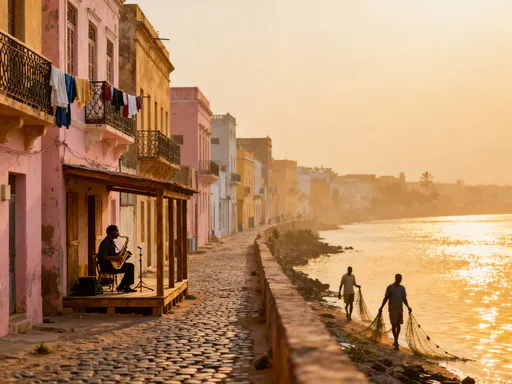
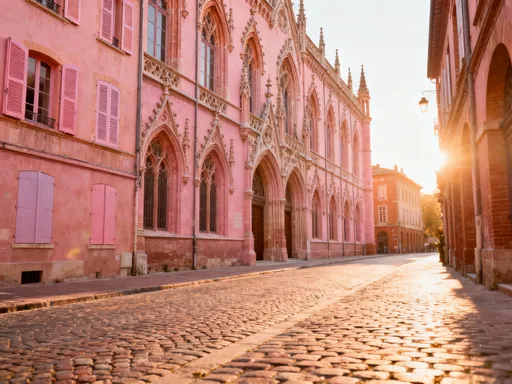
Situated on a slender island bordered by the Senegal River and the Atlantic Ocean, Saint-Louis is a city suspended in time. Its historic center, Île de Saint-Louis, was designated a UNESCO World Heritage site in 2000, recognized for its well-preserved colonial architecture and unique urban layout. The island reflects a distinctive blend of West African life and French colonial planning, where pastel-colored buildings with wrought-iron balconies line narrow, winding streets. These structures, many dating back to the 18th and 19th centuries, were originally homes to French administrators, merchants, and Creole elites. Today, they stand not as relics of oppression but as testaments to cultural adaptation and resilience.
Walking through the island is like stepping into a carefully curated open-air museum. The architecture speaks of a complex past—colonial dominance intertwined with local craftsmanship. The facades, painted in soft ochres, blues, and pinks, often feature wooden shutters and high ceilings designed to combat the heat. These design elements were not merely aesthetic; they were practical responses to the subtropical climate, blending European styles with African environmental intelligence. The Place Saint-Louis, a central square near the water’s edge, remains the city’s social and ceremonial heart. Here, families gather in the evenings, children play near fountains, and street vendors sell fresh juice and grilled peanuts, creating a lively atmosphere that honors both history and daily life.
Preservation efforts have played a crucial role in maintaining the authenticity of the island. Local authorities, in collaboration with international organizations, have implemented restoration projects that prioritize traditional materials and methods. These initiatives ensure that renovations do not erase the city’s character in favor of modern convenience. At the same time, tourism has become a vital economic driver, and the balance between accessibility and preservation is delicate. Visitors are encouraged to explore on foot, respecting the quiet charm of residential lanes and understanding that these are not just tourist attractions but living spaces for families who have called Saint-Louis home for generations.
Among the most iconic buildings is the former Governor’s Palace, now housing the Centre Culturel Français Blaise Senghor. Its imposing façade and expansive verandas reflect the grandeur of French colonial administration, yet today it serves as a hub for cultural exchange, hosting art exhibitions, literary readings, and music performances. This transformation—from seat of power to center of creativity—mirrors the city’s broader journey. Saint-Louis no longer exists to serve colonial interests; instead, it reclaims its narrative through culture, education, and community engagement. The architecture, therefore, is not just about bricks and mortar—it is a living archive of memory, resistance, and reinvention.
Music as Heritage: Where Jazz, Mbalax, and Oral Traditions Thrive
If architecture forms the skeleton of Saint-Louis, music is its heartbeat. The city has long been celebrated as Senegal’s cultural capital of sound, a place where jazz, mbalax, and traditional Wolof rhythms converge in spontaneous and structured harmony. Every May, the Saint-Louis Jazz Festival draws international artists and thousands of visitors, transforming the island into a pulsating stage. Yet, jazz here is not an imported genre—it has been fully absorbed into the local identity. Senegalese jazz musicians blend American improvisation with West African polyrhythms, creating a sound that is both global and deeply rooted. Performances often take place in historic courtyards or under open skies, where the river breeze carries melodies across the water.
But jazz is only one thread in the city’s rich musical tapestry. Mbalax, the energetic drum-based music popularized by Senegalese icon Youssou N’Dour, thrives in neighborhood clubs and backyard gatherings. In Guet Ndar, the historic fishing district, young drummers practice daily, their rhythms echoing through narrow alleys. These drum circles are more than entertainment—they are rites of passage, community bonding, and cultural transmission. Elders teach the youth not only the beats but the stories behind them, linking music to ancestral knowledge and social values. The djembe, sabar, and tama (talking drum) are not just instruments; they are voices of history, capable of conveying messages, emotions, and even warnings.
Organizations like Kër Thiossane, a cultural center dedicated to urban arts, play a pivotal role in nurturing this musical ecosystem. Founded by local artists, it offers workshops in music production, sound engineering, and performance, ensuring that young people have the tools to innovate while honoring tradition. Similarly, small music clubs such as Le Récif and Le Rétro serve as incubators for emerging talent. These venues are often family-run, offering affordable performances that remain accessible to locals. The intimacy of these spaces fosters a deep connection between artist and audience, a contrast to the commercialized concerts found in larger cities.
Oral traditions also remain strong, particularly through griots—hereditary storytellers, poets, and musicians who serve as living archives of genealogy and history. In Saint-Louis, griots perform at weddings, naming ceremonies, and community festivals, preserving lineages and moral lessons through song and spoken word. Their presence ensures that history is not confined to books but is felt, heard, and remembered in everyday life. For the women and men of Saint-Louis, music is not a luxury—it is a necessity, a means of expression, resistance, and unity. To understand the city is to listen, not just with the ears, but with the soul.
Art Beyond Galleries: Street Murals, Craft Studios, and Creative Resistance
In Saint-Louis, art is not confined to white-walled galleries—it spills onto walls, drifts through markets, and emerges from humble workshops. The city’s streets are an open canvas, where murals depict revolutionary figures, scenes of daily life, and symbolic calls for justice. In neighborhoods like Fann-Diack and Sandaga, vibrant paintings cover building façades, turning ordinary spaces into open-air exhibitions. These murals are more than decoration; they are acts of storytelling and resistance. One prominent mural honors Léopold Sédar Senghor, Senegal’s first president and a leading figure in the Négritude movement, while others depict fishermen hauling nets or women carrying baskets, celebrating the dignity of labor and local identity.
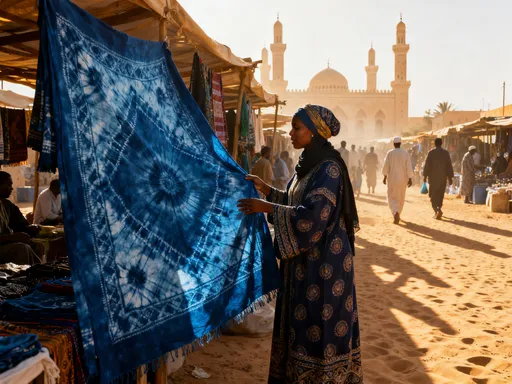
The artistic spirit extends into the hands of local artisans, particularly in Guet Ndar, where craftspeople transform raw materials into cultural treasures. Women artisans weave colorful fabrics using traditional techniques, creating bold patterns that reflect Wolof aesthetics. Others craft intricate jewelry from recycled glass, seashells, and beads, selling their work in local markets or to visiting tourists. Woodcarvers shape masks and sculptures that echo ancestral symbolism, often used in ceremonial performances. These crafts are not mass-produced souvenirs; each piece carries the imprint of the maker’s story, skill, and heritage. Supporting these artisans means investing in sustainable livelihoods and preserving endangered crafts.
Creative resistance is deeply embedded in Saint-Louis’s art scene. During periods of political tension, artists have used murals and performances to express dissent without violence. Graffiti in local languages conveys messages of unity, environmental awareness, and social justice. Some artists collaborate with NGOs to run youth workshops, teaching painting, sculpture, and digital art as tools for empowerment. These programs provide alternatives to unemployment and migration, especially for young people in underserved communities. Art, in this context, becomes both a mirror and a catalyst—reflecting society’s struggles while inspiring change.
Even the city’s architecture has become a medium for artistic intervention. Abandoned buildings are repurposed as temporary galleries or performance spaces, blurring the line between urban decay and creative renewal. International artists occasionally collaborate with locals on mural projects, fostering cross-cultural dialogue. Yet, the emphasis remains on community ownership—art must serve the people, not just attract outsiders. For residents, creativity is not separate from survival; it is woven into the fabric of daily life. To walk through Saint-Louis is to witness a city that refuses to be silent, choosing instead to speak, sing, and paint its truth.
Festivals That Define a City: From Printemps de Saint-Louis to Traditional Regattas
Festivals in Saint-Louis are not mere tourist attractions—they are vital expressions of identity, community, and continuity. Each year, the city transforms during major cultural events that bring together locals, diaspora members, and international guests in celebration. The Printemps de Saint-Louis, or Spring Festival, is one of the most significant. Spanning several weeks, it features theater performances, dance troupes, poetry readings, and film screenings, often with a pan-African theme. Artists from across the continent converge in the city, turning schools, courtyards, and public squares into dynamic stages. The festival emphasizes cultural exchange, with workshops that connect youth with master performers, ensuring that traditions are passed down through generations.
Equally iconic is the Fête des Marins, or Festival of the Sea, a vibrant homage to Saint-Louis’s maritime heritage. Held in the fishing district of Guet Ndar, this event celebrates the bravery and resilience of local fishermen. The highlight is a spectacular boat parade, where brightly painted pirogues—colorful wooden canoes—are adorned with flags, flowers, and religious symbols. Drumming, singing, and dancing accompany the procession, creating a joyful yet solemn atmosphere. The festival also includes blessings by religious leaders, acknowledging the dangers of the sea and honoring those who have lost their lives at sea. For families in Guet Ndar, this is both a spiritual and communal event, reinforcing solidarity and gratitude.
Another unique tradition is the Saint-Louis Regatta, a historic boat race that dates back to the colonial era. Originally a pastime for French colonists, it has been reclaimed by Senegalese rowers and is now a symbol of local pride. Teams train for months, rowing in unison across the Senegal River in handcrafted wooden boats. The regatta attracts thousands of spectators who line the banks, cheering and waving flags. Beyond the competition, it fosters discipline, teamwork, and intergenerational mentorship. Young rowers learn from elders, preserving techniques that have been passed down for decades. The event also promotes environmental awareness, with campaigns to clean the river and protect marine life.
These festivals do more than entertain—they strengthen social bonds and reinforce cultural identity. They provide platforms for youth to participate in civic life, for elders to share wisdom, and for communities to assert their values. While tourism brings economic benefits, the primary audience for these events remains local. Organizers prioritize accessibility, ensuring that performances are free or low-cost. International visitors are welcome, but the message is clear: these festivals belong to the people of Saint-Louis. By experiencing them with respect and humility, outsiders gain not just memories, but a deeper understanding of a culture that thrives on rhythm, ritual, and resilience.
Cultural Venues Off the Beaten Path: Libraries, Reading Rooms, and Storytelling Circles
Beyond the festivals and music clubs, Saint-Louis nurtures a quieter but equally powerful cultural current—its literary and intellectual life. The Médiathèque de Saint-Louis stands as a beacon of this tradition, offering books, digital resources, and community programs in both French and local languages. Housed in a renovated colonial building, the library serves students, researchers, and curious residents. Regular reading hours, author talks, and children’s storytelling sessions foster a culture of lifelong learning. Volunteers and librarians work tirelessly to maintain collections and organize outreach, especially in neighborhoods with limited access to education.
Outside formal institutions, knowledge circulates through oral traditions and informal gatherings. In courtyards and under shade trees, elders gather with children to share folktales, proverbs, and historical accounts. These storytelling circles, often led by griots or respected community members, are spaces where morality, history, and identity are transmitted. A story about a clever hare outwitting a lion is not just entertainment—it teaches strategy, humility, and the value of wit over strength. These narratives, passed down for generations, remain relevant in contemporary life, offering guidance and wisdom.
Youth organizations and local NGOs have revitalized these traditions through structured programs. Initiatives like “Lire et Grandir” (Read and Grow) bring books and storytelling into schools and community centers, encouraging literacy in Wolof, Pulaar, and French. Bilingual publications help bridge the gap between formal education and home language, making reading more inclusive. Poetry slams and writing workshops empower young people to express their thoughts and dreams, often addressing themes like migration, identity, and social change. For many, these programs are a lifeline, offering purpose and confidence in a rapidly changing world.
The presence of these quiet cultural spaces reminds us that heritage is not only loud and visible—it is also whispered, read, and remembered. In a world that often prioritizes speed and spectacle, Saint-Louis holds space for reflection, dialogue, and deep listening. These venues may not draw large crowds, but they are essential to the city’s soul. They ensure that culture is not just performed, but lived, studied, and questioned. For visitors, seeking out these spaces offers a rare opportunity to engage with Saint-Louis on a deeper, more intimate level—one that goes beyond sightseeing to genuine connection.
Cuisine as Culture: Flavors That Tell a Story
To taste Saint-Louis is to understand its history, geography, and spirit. The city’s cuisine is a flavorful dialogue between French culinary techniques and Senegalese ingredients, shaped by its riverside location and multicultural past. At the heart of the local diet is thiéboudienne, widely regarded as Senegal’s national dish. This rich stew of fish, rice, and vegetables—slow-cooked with tomatoes, onions, and thyme—is often prepared in large communal pots, symbolizing generosity and togetherness. Each family has its own variation, passed down through generations, with subtle differences in spice levels or vegetable combinations. Eating thiéboudienne is not just a meal; it is an act of cultural participation.
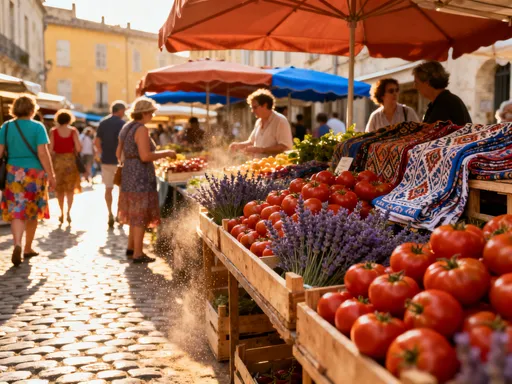
Another staple is yassa, a tangy dish of grilled chicken or fish marinated in lemon, onions, and mustard, served with rice. Its sharp, citrusy flavor reflects the city’s access to fresh produce and its historical trade connections. Equally beloved is bissap, a deep red hibiscus tea sweetened with sugar and sometimes mint. Served cold, it is a refreshing constant in homes, markets, and street stalls. These dishes are most authentically enjoyed in maquis—family-run outdoor restaurants with plastic chairs and checkered tablecloths. In Saint-Louis, maquis are more than eateries; they are social hubs where neighbors gather, news is shared, and laughter flows freely.
Cooking in Saint-Louis is often a communal activity, especially during festivals or family celebrations. Women lead many of these culinary traditions, teaching daughters and nieces the precise timing and seasoning that define a perfect pot of rice. Food walks and cooking workshops, increasingly offered to visitors, provide immersive experiences that go beyond tasting. Participants visit local markets, select fresh ingredients, and learn to prepare dishes alongside host families. These exchanges foster mutual respect and understanding, breaking down cultural barriers one meal at a time.
The city’s proximity to the river and ocean ensures a steady supply of fresh fish, which plays a central role in both daily meals and ceremonial feasts. In Guet Ndar, women clean and smoke fish on open racks, a practice that preserves tradition and supports local economies. Sustainable fishing practices are increasingly emphasized, with community leaders advocating for responsible harvesting to protect marine resources. For the people of Saint-Louis, food is not just sustenance—it is memory, identity, and love served on a plate. To eat here is to be welcomed, to be seen, and to become part of the story.
Sustainable Tourism and Cultural Respect: How to Engage Without Exploiting
As Saint-Louis gains recognition as a cultural destination, the need for responsible tourism grows more urgent. The city’s charm lies in its authenticity, and that authenticity depends on the well-being of its residents. Travelers have a responsibility to engage mindfully, ensuring their presence benefits rather than burdens the community. One of the most impactful choices is to support local artists, chefs, and guides directly. Purchasing a handcrafted bracelet from a market vendor, dining at a family-run maquis, or hiring a local tour guide keeps income within the community and honors the labor behind each service.
Visitors should also respect cultural norms, particularly around photography. While the colorful streets and vibrant festivals are tempting subjects, it is essential to ask permission before photographing people, especially in intimate or sacred settings. In Guet Ndar, for instance, fishermen and their families may welcome photos during public events but prefer privacy in daily routines. Respecting these boundaries fosters trust and dignity. Similarly, dressing modestly and behaving courteously in residential areas shows appreciation for local customs and reinforces positive interactions.
Choosing eco-conscious accommodations is another way to minimize impact. Some guesthouses and boutique hotels in Saint-Louis prioritize sustainability by using solar energy, reducing plastic waste, and sourcing food locally. These establishments often collaborate with community projects, contributing to education or environmental conservation. Travelers can also participate in volunteer initiatives, such as beach cleanups or youth art programs, leaving a positive legacy beyond their stay.
Most importantly, visitors should approach Saint-Louis with curiosity and humility. This is not a place to consume culture as entertainment, but to engage with it as a living, evolving reality. Listening to stories, learning a few phrases in Wolof, and taking time to understand the historical context all deepen the experience. Slow travel—staying longer, moving gently, and connecting meaningfully—allows for a richer, more respectful encounter. When done with care, tourism can become a form of cultural exchange that honors the past, supports the present, and nurtures the future.
Saint-Louis isn’t just a stop on a map—it’s a dialogue between past and present, colonial history and African resilience, sound and silence, color and memory. Its cultural venues aren’t just buildings or events; they’re living expressions of identity. By traveling with curiosity and care, we don’t just witness culture—we become part of its continuation.