You Won’t Believe What Lies Beyond Arusha’s Backroads
Arusha, Tanzania, is more than just a gateway to safaris—it’s a launchpad for discovering nature’s raw beauty. I didn’t expect misty highlands, flamingo-dotted lakes, or volcanic peaks all within reach. From the moment I stepped out of the city, every turn revealed something wilder, quieter, more alive. This is not just travel; it’s real discovery. And honestly? You’ve never seen African landscapes like this before.
The Misconception About Arusha
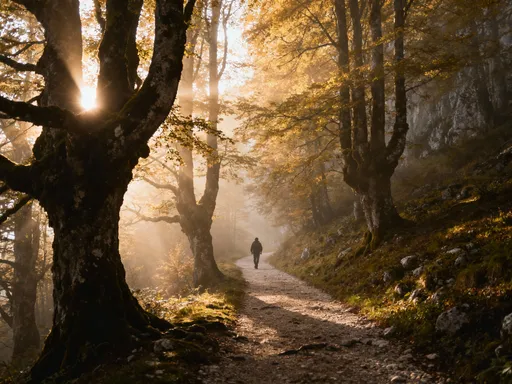
Many travelers treat Arusha as nothing more than a transit point—a place to rest before chasing the great migrations of the Serengeti or summiting Mount Kilimanjaro. But to reduce Arusha to a mere footnote in an East African itinerary is to overlook one of Tanzania’s most dynamic and scenic regions. Nestled at the foothills of Mount Meru, Arusha is a city where urban energy meets untouched wilderness. Just a short drive from the bustling markets and coffee shops of town, the landscape transforms. The air grows cooler, scented with eucalyptus and wild herbs. Birdsong replaces traffic noise. The road winds upward into highland forests where mist curls around ancient trees and sunlight filters through in golden shafts. This is not the Africa of crowded tour buses and overexposed postcards. This is a quieter, more intimate version—one that rewards curiosity and rewards those who linger.
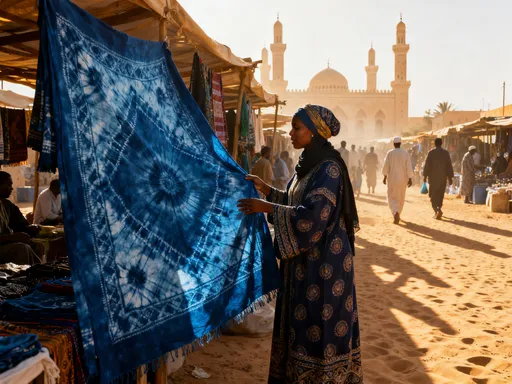
What sets Arusha apart is its unique position as both a cultural crossroads and a natural gateway. Home to the Chagga, Maasai, and Meru people, the region offers glimpses into traditional ways of life that have coexisted with nature for generations. Women in brightly patterned kanga wrap their shoulders as they tend small farms on volcanic slopes. Herders guide cattle across open pastures with the silhouette of Kilimanjaro looming in the distance. These everyday moments are not staged for tourists—they are lived experiences, woven into the rhythm of daily life. For the thoughtful traveler, especially those seeking depth over spectacle, Arusha provides a rare balance: accessibility without commercialization, beauty without performance.
And while it’s true that many of Tanzania’s most famous parks lie nearby, the magic of Arusha is that you don’t have to go far to find wonder. Within an hour’s drive, you can stand at the edge of a crater older than human memory, paddle across a lake that mirrors snow-capped peaks, or hike through forests where colobus monkeys leap between branches like shadows. The region invites you not just to pass through, but to slow down, breathe deeply, and look closely. Because beyond the well-trodden path, something extraordinary awaits.
Mount Meru: The Hidden Giant Next Door
Rising to 4,562 meters, Mount Meru is often overshadowed by its more famous neighbor, Kilimanjaro. Yet this stratovolcano is not just a warm-up climb—it is a destination in its own right, offering one of East Africa’s most rewarding trekking experiences. Located within Arusha National Park, Mount Meru’s slopes are cloaked in montane forest, bamboo thickets, and alpine moorland. The journey to the summit unfolds over three to four days, winding through ecosystems that shift with every thousand meters gained. The trail begins in dense greenery, where troops of blue monkeys watch from the canopy and turaco birds flash crimson wings in the sunlight. As elevation increases, the forest gives way to open heathland dotted with giant lobelias and senecios—plants that look like something from another planet.
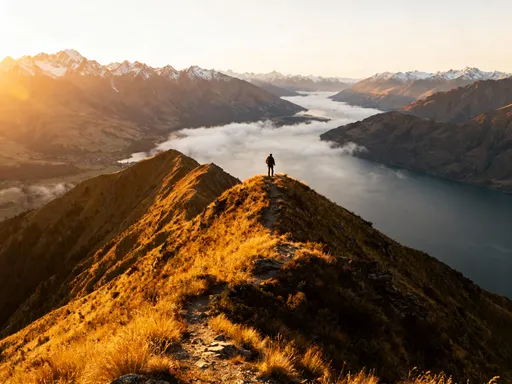
The true test comes on the final ascent, a steep climb over loose scree and volcanic ash that begins before dawn. Hikers navigate by headlamp, guided by the crunch of boots on gravel and the rhythm of their breath. But when the sun breaks over the horizon, the effort is instantly justified. From the rim of the crater at sunrise, the view is nothing short of majestic. The Great Rift Valley stretches endlessly to the west, its escarpments glowing in soft light. To the east, the flat-topped bulk of Kilimanjaro rises above the clouds, its glaciers catching fire in the morning rays. Below, the Ash Cone smolders faintly, a reminder that this mountain is still alive, geologically speaking. It’s a moment of quiet awe—a personal triumph wrapped in the grandeur of nature.
Mount Meru also serves as an excellent acclimatization trek for those preparing to climb Kilimanjaro. The gradual ascent profile helps the body adjust to altitude, reducing the risk of acute mountain sickness. Unlike the increasingly commercialized routes on Kilimanjaro, Meru’s trails remain relatively quiet. On any given day, you might share the path with only a handful of fellow trekkers and a team of experienced guides. These local experts do more than lead the way—they share stories of the mountain’s significance to the Meru people, explain the medicinal uses of native plants, and point out animal tracks left by leopards or bushbuck. It’s this blend of physical challenge and cultural insight that makes the Mount Meru experience so deeply fulfilling.
Lake Manyara’s Whispering Shores
Just 90 minutes west of Arusha lies Lake Manyara National Park, a slender ribbon of wilderness pressed between the Great Rift Valley escarpment and the alkaline waters of the lake itself. Though compact in size, the park bursts with life. Its diverse habitats—groundwater forest, open grassland, swamp, and lakeshore—support an astonishing variety of wildlife. The most famous residents are the tree-climbing lions, a rare behavior observed in only a few places on Earth. Seeing a pride lounging in the crook of an acacia, tails flicking in the breeze, is an image that stays with you. These lions are not performing; they are simply adapting, using the trees to escape biting insects or to survey their domain from above.
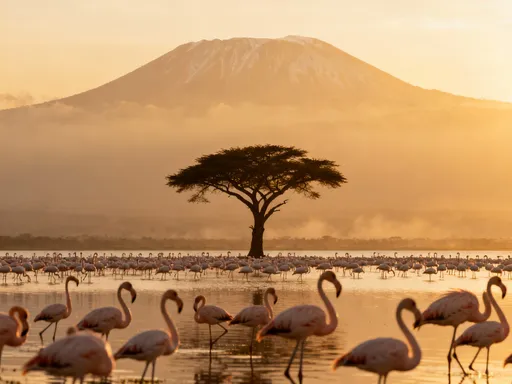
But the lions are only one chapter in Manyara’s story. The lake, when water levels are high, becomes a stage for one of nature’s most colorful spectacles: flocks of lesser flamingos wading through shallow waters, their pink feathers glowing in the sunlight. At certain times of year, tens of thousands gather, creating a surreal landscape where sky and water blur into a single pink haze. Along the shore, pelicans, storks, and herons stalk the shallows, while hippos grunt and splash in secluded pools. The groundwater forest, fed by underground springs, is a world unto itself—dark, humid, and alive with sound. Troops of olive baboons bark warnings from the treetops. Sykes’ monkeys leap between branches, and bushpigs root through the undergrowth. Birdwatchers can spot over 400 species here, from the striking African fish eagle to the elusive Narina trogon.
What makes Lake Manyara special is its intimacy. Unlike the vast, open plains of the Serengeti, where animals can be distant specks on the horizon, Manyara brings wildlife within arm’s reach. Game drives often begin with elephants ambling across the road, their ears flapping like sails. Giraffes bend gracefully to drink at waterholes, their long necks forming elegant curves against the sky. The park’s narrow shape means you’re never far from the escarpment wall, which rises dramatically behind the landscape, adding a sense of enclosure and drama. It’s a place where every turn offers a new composition—a lion in the grass, a herd of impala fleeing from a circling martial eagle, a buffalo standing motionless in the mist. For photographers and nature lovers alike, Lake Manyara is a treasure chest of quiet moments.
Ngorongoro Crater: Nature’s Perfect Bowl
If Mount Meru is a climb into the sky and Lake Manyara a ribbon of life, then Ngorongoro Crater is nothing less than a miracle of geology and ecology. Formed over two million years ago when a massive volcano collapsed in on itself, the crater is now a vast caldera spanning 260 square kilometers. Its walls rise over 600 meters, creating a natural enclosure that traps moisture, sustains vegetation, and supports an extraordinary concentration of wildlife. Descending the winding road into the crater feels like stepping into a lost world—a self-contained ecosystem where nature operates on its own terms.
The numbers are impressive: over 25,000 large animals live within the crater, including one of the densest populations of lions in Africa. But what truly defines the Ngorongoro experience is not just quantity, but proximity. Because the animals have no need to migrate—water and food are available year-round—visitors enjoy near-guaranteed sightings. A single morning drive can reveal herds of wildebeest and zebra grazing on open plains, black rhinos browsing in thickets (a rare sight elsewhere due to poaching), and hyenas patrolling the edges of swamps. Elephants, with their curved tusks worn from digging in the mineral-rich soil, move in small family groups. Flamingos return to the alkaline lakes when conditions are right, painting the water in strokes of pink.
Yet beyond the wildlife, it’s the atmosphere that captivates. Early mornings are draped in mist, which slowly burns off as the sun climbs. The silence is profound—broken only by the grunt of a buffalo or the distant call of a jackal. As the day warms, the crater floor comes alive: dung beetles roll their spheres across the dirt, secretary birds stalk lizards with deliberate steps, and vultures circle high above, waiting. The sense of balance is palpable. Predators hunt, prey flee, scavengers clean up—all part of a cycle that has played out here for millennia. For families, couples, and solo travelers alike, the Ngorongoro Crater offers a rare chance to witness nature not as a spectacle, but as a system in harmony.
Arusha National Park: Underrated & Unspoiled
Despite its proximity to the city, Arusha National Park remains one of Tanzania’s best-kept secrets. Many visitors bypass it in favor of more famous destinations, but those who venture inside are rewarded with a landscape of remarkable diversity. Spanning just over 137 square kilometers, the park includes montane forest, open moorland, swamps, and the Momela Lakes—a chain of shallow, mineral-rich waters that reflect the sky and, on clear days, the distant peak of Mount Kilimanjaro. What sets this park apart is its tranquility. You can spend an entire day here and encounter only a few other vehicles. The experience is not about ticking off the Big Five, but about immersion—walking quietly, listening, watching.
One of the park’s most unique offerings is the canoe safari. Unlike traditional game drives, this activity allows you to approach wildlife from the water, offering a new perspective. Paddling across the still surface of Momela Lake, you might see giraffes drinking at the shore, their long necks bent into impossible angles. Waterbuck and reedbuck graze in the marshes, while fish eagles call from perches in fever trees. The reflection of the sky and surrounding hills creates a dreamlike effect, doubling the beauty of the scene. On land, guided walking safaris provide an even deeper connection. With a ranger leading the way, you learn to read animal tracks, identify bird calls, and understand the role of every plant and insect in the ecosystem.
Arusha National Park is also one of the few places in Tanzania where you can see both black-and-white colobus monkeys and blue monkeys in the same forest. These primates move with grace, their long tails acting as counterbalances as they leap between branches. The forest itself is rich with life: orchids cling to tree trunks, moss blankets the ground, and streams trickle through rocky channels. For visitors with limited time or those traveling with children, the park offers a manageable yet deeply satisfying experience. It’s a place where nature feels close, accessible, and alive—perfect for recharging before or after a longer safari.
The Rift Valley’s Secret Lakes & Hot Springs
Beyond the well-marked routes of national parks lie lesser-known destinations that offer solitude and raw natural beauty. The eastern arm of the Great Rift Valley, stretching south from Arusha, is dotted with hidden lakes, volcanic craters, and geothermal features that few tourists ever see. Lake Eyasi, for example, is a seasonal soda lake that attracts flocks of flamingos when filled with water. It is also home to the Hadzabe people, one of the last hunter-gatherer communities in East Africa. With the guidance of local cultural liaisons, visitors can walk with Hadzabe trackers, learning how they use bows and poisoned arrows, identify edible plants, and communicate with whistles across the savanna. These encounters are not performances—they are invitations to understand a different way of living with the land.
Another hidden gem is Empakaai Crater, accessible via a rough but scenic road from the Ngorongoro Conservation Area. Unlike Ngorongoro, Empakaai sees only a handful of visitors each week. The descent to the crater floor takes you through montane forest into a world of steam vents and a deep, circular lake inhabited by flamingos and grebes. The sense of isolation is profound. There are no lodges, no crowds—just the sound of wind and water, and the occasional call of a bird. Hiking around the rim offers panoramic views of the surrounding highlands, with glimpses of Lake Natron glowing red in the distance.
For those seeking relaxation, natural hot springs in remote valleys offer a soothing retreat. These geothermal pools, warmed by volcanic activity beneath the Earth’s crust, are often surrounded by stone walls built by local communities. Soaking in the warm, mineral-rich water while looking out over the Rift Valley is a uniquely restorative experience. These sites are not commercialized; they are used by locals for generations and shared with respectful visitors. They remind us that travel is not always about grand sights—it can also be about quiet moments of connection, with nature and with people.
How to Plan Your Discovery Journey
Timing is essential when planning a journey through Arusha and its surrounding regions. The best months to visit are during the dry seasons: June through October and January through February. These periods offer clear skies, reliable road conditions, and optimal wildlife viewing as animals gather around water sources. The shoulder months can be unpredictable, with afternoon showers that may limit access to remote trails or unpaved roads. If you’re planning to hike Mount Meru or visit highland areas, pack layers—temperatures can drop significantly at night, even in the dry season.
Accommodation options range from eco-lodges to tented camps, many of which are designed to blend into the landscape and minimize environmental impact. Staying in these types of lodgings enhances the sense of immersion, allowing you to fall asleep to the sounds of crickets and wake to the calls of hornbills. Many lodges also employ local staff, source food from nearby farms, and support community projects—so your stay contributes directly to the region’s well-being.
When exploring off-grid destinations like Empakaai Crater or Lake Eyasi, hiring a certified guide is not just recommended—it’s essential. These experts know the terrain, understand weather patterns, and can arrange permits and cultural visits responsibly. They also ensure that your presence has minimal impact on fragile ecosystems and local communities. Always follow conservation guidelines: avoid littering, keep a safe distance from animals, and never feed wildlife. Responsible travel is not a trend—it’s a commitment to preserving these places for future generations.
Finally, consider combining destinations efficiently. A seven- to ten-day itinerary could include Arusha National Park, Mount Meru, Lake Manyara, Ngorongoro Crater, and a visit to a Rift Valley gem like Empakaai or a cultural village. This allows for depth without rushing. Travelers who take the time to explore beyond the obvious discover that Arusha is not just a starting point—it is a destination of quiet wonders, waiting to be felt, not just seen.
Arusha isn’t just a starting point—it’s a destination full of quiet wonders waiting to be found. Each landscape tells a story of earth, fire, water, and life in balance. By stepping beyond the usual path, travelers don’t just see nature—they feel it. And that kind of discovery changes how you see the world.