You Won’t Believe How Toulouse’s Pink Buildings Glow at Golden Hour
Tucked in the heart of southern France, Toulouse isn’t just any old city—it’s a photographer’s dream wrapped in blush-toned brick. I honestly didn’t expect to be so blown away by its unique architecture, where centuries-old buildings shimmer in soft pink hues under the Mediterranean light. From hidden courtyards to soaring bell towers, every corner feels like a perfectly framed shot waiting to happen. If you’re chasing beauty through your lens, this is one destination you absolutely can’t miss. The way sunlight dances across the terracotta facades at dawn or just before dusk transforms the entire city into a living canvas. Toulouse, affectionately known as “La Ville Rose” or “The Pink City,” offers an unmatched harmony of color, history, and light—elements that converge to create some of the most compelling architectural photography in Europe. This is not a place of grandiose monuments alone, but of intimate details, quiet alleys, and moments of quiet brilliance that reward the patient observer.
The Allure of “La Ville Rose” – Why Toulouse Stands Out
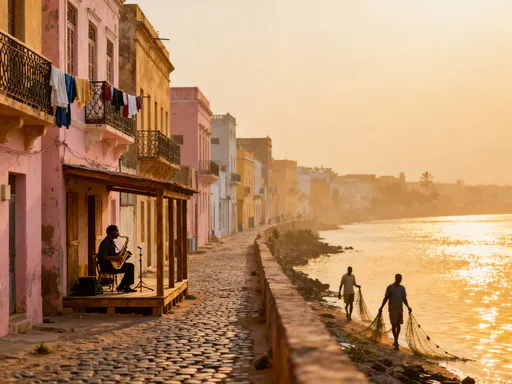
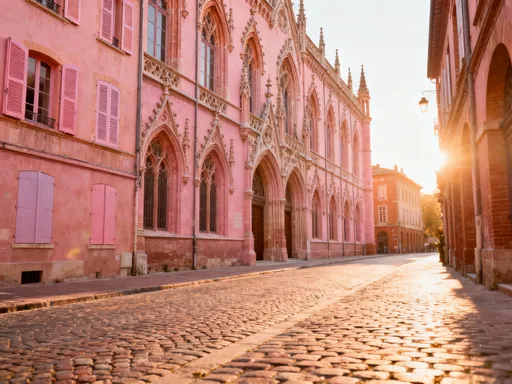
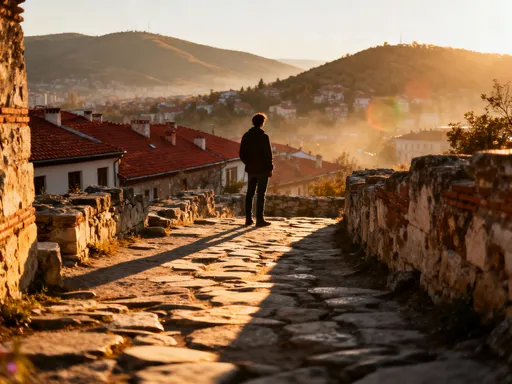
Toulouse’s most defining feature is its warm, rosy-hued architecture, a result of centuries-old building traditions rooted in local geology. The city’s iconic pink comes from terracotta bricks made from clay extracted from the banks of the Garonne River, which runs through the city center. This distinctive material has been used since the Middle Ages, giving Toulouse a visual identity unlike any other European city. Unlike painted façades that fade or peel, the color is intrinsic to the brick itself, deepening in richness over time. Under the high, clear skies of southern France, these walls take on a soft glow, shifting from pale blush at midday to a radiant coral during sunrise and sunset. The phenomenon is particularly striking during golden hour, when low-angle sunlight enhances texture and casts long, dramatic shadows across narrow streets.
What makes Toulouse especially appealing to photographers is not just the color, but how it interacts with light throughout the day. Early morning light brings out delicate pastel tones, ideal for capturing quiet street scenes with minimal foot traffic. Midday sun, though harsher, highlights the geometric precision of architectural details like arched windows and carved stonework. But it is during the golden hour—roughly the last 45 minutes before sunset—that the city truly comes alive. The warm rays bathe entire façades in a luminous pink, creating a dreamlike atmosphere that feels almost surreal. This natural lighting effect requires no filters or post-processing enhancements; it is authenticity captured in real time.
For those interested in architectural or travel photography, Toulouse offers a rare consistency of aesthetic. Unlike cities with mixed building materials and styles, here the dominance of pink brick creates visual harmony. This unity allows photographers to focus on composition, shadow play, and perspective rather than battling visual clutter. Whether shooting wide-angle cityscapes or macro details of weathered brickwork, the consistent base color provides a cohesive palette. Additionally, the city’s relatively compact historic center means that multiple photogenic locations can be explored within a short walking distance, making it highly accessible even for travelers with limited time. The blend of natural material, regional climate, and centuries of uninterrupted building tradition makes Toulouse not just visually unique, but deeply authentic.
Historic Heart: Capturing the Old Town’s Timeless Charm
The soul of Toulouse lies in its well-preserved medieval core, particularly the Quartier Saint-Pierre and the surrounding streets radiating from Place du Capitole. These areas are a treasure trove for photographers seeking timeless urban scenes. Cobblestone alleys wind beneath centuries-old buildings, their pink walls softened by age and weathering. Iron balconies overflow with potted geraniums, and pastel-colored shutters contrast beautifully against the warm brick. Doorways are often works of art in themselves—ornate wooden frames, intricate knockers, and stone carvings that hint at the lives once lived behind them. Every turn offers a new composition, from symmetrical street vistas to candid moments of daily life: a shopkeeper arranging produce, children walking home from school, or locals sipping coffee at sidewalk cafés.
Photographing in these narrow streets presents both opportunities and challenges. The close proximity of buildings creates strong vertical lines and natural leading paths, ideal for creating depth in architectural shots. However, the limited space can also result in harsh contrasts between sunlight and shadow. To manage this, photographers are advised to visit early in the morning when the sun slants gently into the alleys, illuminating façades without creating deep, unbalanced contrasts. Using a polarizing filter can help reduce glare on wet cobblestones after rain, while a slightly higher ISO setting allows for faster shutter speeds in dimmer areas without introducing noticeable noise on modern cameras.
Equally important is respecting the rhythm of local life. While the old town is accustomed to tourists, it remains a residential neighborhood where privacy and peace are valued. Avoid using flash in doorways or courtyards, and be mindful when photographing people. A simple smile or nod can go a long way in establishing goodwill. For candid street photography, a 35mm or 50mm prime lens on a mirrorless or DSLR camera allows for quick, unobtrusive shooting. Capturing the essence of the neighborhood is less about perfection and more about authenticity—moments that reflect the quiet dignity and charm of everyday life in one of France’s most photogenic cities.
The Magic of Gothic and Renaissance Gems
Toulouse is home to some of the most impressive examples of Gothic and Renaissance architecture in southern France, each offering unique photographic possibilities. The Basilique Saint-Sernin, a UNESCO World Heritage site and one of the largest remaining Romanesque churches in Europe, stands as a masterpiece of medieval engineering and spiritual grandeur. Its pink brick exterior rises with quiet majesty, while inside, ribbed vaults soar overhead, creating a sense of infinite space. The play of light through high stained-glass windows casts colored patterns on the stone floor, changing subtly throughout the day. For photographers, the west façade—especially when lit by morning sun—offers a powerful composition with its symmetrical rose window and sculpted portals depicting biblical scenes.
Another highlight is the Hôtel d’Assézat, a 16th-century Renaissance mansion that now houses the Bemberg Foundation, an art museum. The building’s inner courtyard is a study in symmetry and proportion, with twin staircases, sculpted columns, and delicate stone balustrades. Morning light filters through the open-air center, highlighting the contrast between shadow and illumination. This controlled environment allows for precise compositions, whether focusing on architectural details or reflections in polished stone floors. The courtyard’s enclosed nature also makes it less susceptible to changing weather conditions, providing a reliable shooting location even on overcast days.
To avoid crowds at these popular sites, timing is essential. Basilique Saint-Sernin opens early, often around 7:00 or 8:00 a.m., and visiting within the first hour ensures quieter conditions and softer light. Similarly, the Hôtel d’Assézat tends to be less crowded on weekday mornings. Using a tripod (where permitted) allows for longer exposures to capture fine details in low-light interiors. A wide-angle lens is ideal for capturing the full scale of grand spaces, while a macro lens can reveal the texture of centuries-old stone carvings. These architectural gems are not merely historical relics; they are living spaces where light, form, and time converge to create images of lasting beauty.
Hidden Courtyards and Secret Passages – Off-the-Beaten-Path Shots
Beyond the main tourist routes, Toulouse reveals a quieter, more intimate side through its hidden courtyards and private passages. These secluded spaces, often tucked behind unassuming doors or accessed through narrow archways, offer some of the city’s most poetic photographic moments. One such location is the Courtyard of the Jacobins, part of the former Dominican convent. Though the church itself is well-known, the cloistered garden and surrounding arcades are frequently overlooked. Here, light filters through arched colonnades, creating rhythmic patterns of shadow and brightness on the pink brick walls. The central palm tree, planted in the 19th century, adds a vertical accent that contrasts beautifully with the horizontal lines of the architecture.
Other lesser-known spots include the Passage de l’Ariane and the Cour du May, residential areas that retain the elegance of 18th and 19th-century Toulouse. These spaces are characterized by symmetrical layouts, wrought-iron railings, and climbing ivy that softens the brickwork. Because they are primarily private or semi-private, access should always be respectful—photography from public entrances or open gates is appropriate, but entering closed areas is not permitted. The best approach is to visit during daylight hours when natural light enhances textures and colors without drawing undue attention.
Discovering these hidden locations often requires local knowledge or guided exploration. Several walking tours offered by cultural associations specialize in uncovering Toulouse’s architectural secrets, providing context and access that might otherwise be missed. Alternatively, studying historical maps or using digital platforms that highlight heritage sites can guide independent exploration. The key is patience and observation—many of these passages are easy to walk past unnoticed. For photographers, the reward is a sense of discovery: images that feel personal, quiet, and timeless. These spaces capture the essence of Toulouse not as a postcard, but as a lived-in city where beauty persists in the margins.
Modern Meets Medieval – Contrasts in Urban Design
While Toulouse is deeply rooted in history, it is also a city that embraces innovation, particularly in its public transportation and urban planning. This blend of old and new creates compelling visual contrasts that are especially appealing to photographers interested in urban design. One of the most striking examples is the city’s metro system, particularly the stations designed by Spanish architect Santiago Calatrava. The Palais de Justice and Jeanne-d’Arc stations feature futuristic white canopies, sweeping curves, and glass structures that seem to float above the ground. These modern interventions stand in bold contrast to the surrounding pink brick buildings, creating dynamic juxtapositions that speak to Toulouse’s evolving identity.
Photographing these contrasts requires thoughtful composition. A wide-angle lens can capture both the sleek lines of a Calatrava canopy and the textured façade of a centuries-old building in a single frame, emphasizing scale and difference. Shooting from a low angle enhances the drama, making the modern structure appear to rise like a sculpture from the historic streetscape. The interplay of materials—smooth white concrete and rough terracotta, reflective glass and matte brick—adds another layer of visual interest. Early morning light often works best, as it illuminates both old and new elements without overpowering either.
These contrasts are not limited to transportation hubs. Throughout the city, contemporary buildings integrate with historic neighborhoods in subtle yet meaningful ways. Some new constructions use pink brick to harmonize with the surroundings, while others deliberately stand out with minimalist designs. This architectural dialogue reflects Toulouse’s ability to honor its past while moving forward. For photographers, it offers endless opportunities to explore themes of continuity and change, tradition and innovation. The city does not hide its modernity; instead, it frames it within a context of deep history, creating a narrative that is both visually rich and intellectually engaging.
Best Light, Best Lenses – A Photographer’s Practical Guide
To make the most of Toulouse’s photogenic qualities, timing and equipment choices are crucial. The golden hour—shortly after sunrise and just before sunset—remains the optimal time for capturing the city’s pink hues in their most luminous form. During these periods, the low sun enhances depth, texture, and warmth, transforming ordinary façades into glowing masterpieces. Early risers are rewarded with not only beautiful light but also fewer crowds, allowing for unobstructed shots of major landmarks. Sunset, while more popular, can still yield excellent results with careful planning and positioning.
In terms of camera settings, a balanced approach works best. For exterior shots, an aperture of f/8 to f/11 ensures sharpness across the frame, especially when using a wide-angle lens to capture entire buildings. A tripod is recommended for low-light conditions or long exposures, particularly when shooting interiors with limited natural light. ISO settings between 100 and 400 help maintain image quality, minimizing grain while allowing for faster shutter speeds in shaded areas. For handheld shooting in narrow streets, image stabilization features in modern lenses or camera bodies can be invaluable.
Lens selection depends on the subject. A 24mm or 35mm wide-angle lens is ideal for capturing full façades and street perspectives, while a 50mm prime lens excels at street-level details and portraits of architectural elements. A macro lens can reveal the intricate textures of weathered brick, carved stone, or ironwork, adding variety to a photographic portfolio. For those using smartphones, many recent models offer excellent dynamic range and portrait modes that can simulate depth of field, making them surprisingly capable tools for travel photography.
Planning tools can also enhance the experience. Free apps that track sunrise and sunset times, as well as the direction of sunlight, help photographers anticipate lighting conditions at specific locations. Weather forecasts are equally important, as clear skies are essential for maximizing the city’s natural glow. While specific brands are not endorsed, any reliable weather or sun-tracking application can significantly improve preparation. Ultimately, success in Toulouse comes not from having the most advanced gear, but from patience, observation, and a willingness to return to the same spot at different times of day to see how light transforms it.
Why Toulouse Should Be on Every Architectural Photographer’s List
Toulouse stands apart as a destination where color, history, and light converge in perfect harmony. Its identity as “La Ville Rose” is not a marketing slogan, but a lived reality—a city built from the earth itself, its bricks drawn from the red clay of the Garonne. This authenticity is what makes it so compelling to photographers. Unlike destinations that rely on ornate decoration or monumental scale, Toulouse captivates through subtlety: the way light caresses a centuries-old wall, the quiet symmetry of a hidden courtyard, the gentle contrast between past and present. It is a city that rewards attention to detail and patience, offering visual richness without spectacle.
What also makes Toulouse accessible is its human scale. Unlike sprawling metropolises, its historic center can be explored on foot, allowing photographers to develop a deep familiarity with neighborhoods over just a few days. This intimacy fosters a more personal connection to the city, enabling the capture of moments that feel genuine rather than staged. The blend of Gothic grandeur, Renaissance elegance, and modern innovation provides a diverse yet cohesive subject matter, suitable for both beginners and experienced photographers.
Beyond the technical aspects, Toulouse inspires creativity. It is a place where the ordinary becomes extraordinary under the right light, where every alley holds a potential masterpiece. The city does not demand dramatic angles or exotic subjects; it invites contemplation, observation, and a slower pace of seeing. For women between 30 and 55—many of whom seek meaningful, enriching travel experiences—Toulouse offers both beauty and depth. It is safe, walkable, and rich in culture, with a pace of life that encourages presence and mindfulness.
If you have ever stood before a building and felt the urge to capture not just its form, but its spirit, then Toulouse is calling. It is more than a destination; it is an invitation to see the world differently. The pink walls are not just a color—they are a mood, a memory, a moment suspended in light. Pack your camera, arrive at dawn, and let the city reveal itself, one golden hour at a time.