You Won’t Believe What I Found Driving Through Havana
Driving through Havana feels like stepping into a vibrant time capsule, where classic cars, colorful streets, and the rhythm of salsa fill the air. I hit the road with no strict plan, just a map, my playlist, and a hunger for authentic finds. What surprised me most? The city’s shopping scene—far from typical tourist traps. From open-air markets bursting with handmade crafts to hidden boutiques tucked in colonial alleys, every stop told a story. This isn’t just retail—it’s cultural discovery on four wheels.
Why Self-Driving in Havana Elevates the Travel Experience
Exploring Havana by car transforms the way travelers engage with the city. Unlike guided tours that follow rigid itineraries or taxis that limit spontaneity, having your own vehicle offers a rare level of independence. You can pause on a quiet street to photograph a mural, follow the sound of live music into a residential neighborhood, or drive along the Malecón at sunset without worrying about return times. The city stretches across diverse zones—historic Old Havana, the artistic pulse of Vedado, the tranquil villas of Miramar, and coastal roads that lead to hidden parks—making self-driving not just a luxury, but a practical advantage.
For visitors, renting a car in Havana is both feasible and rewarding. Several international and local agencies offer compact vehicles and vintage car rentals, often with GPS and insurance packages tailored for foreign drivers. While road conditions vary—some central avenues are well-maintained while side streets may be uneven—most main routes are navigable with caution. Foreign drivers must carry an international driving permit alongside their home license, a requirement enforced at occasional checkpoints. Though these stops are routine and not confrontational, having documents ready ensures smooth passage.
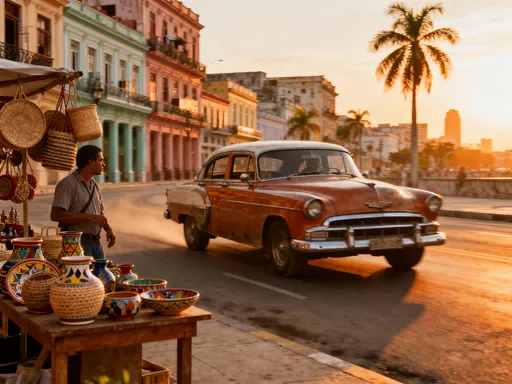
One of the most enchanting aspects of driving in Havana is sharing the road with 1950s American classics—Cadillacs, Chevrolets, and Fords restored with ingenuity and pride. These rolling relics are more than tourist attractions; they are functional parts of daily life, often running on adapted engines due to decades of limited imports. Seeing them cruise past colonial facades creates a surreal yet harmonious blend of past and present. For the self-driver, this isn’t just scenery—it’s immersion in a living history shaped by resilience and creativity.
Moreover, driving allows travelers to witness Havana’s rhythms beyond postcard views. Early mornings bring street sweepers and bakers opening shop doors; midday reveals families gathering under shaded patios; evenings light up with impromptu music circles. By moving at your own pace, you begin to read the city like a local—knowing when certain markets open, where artisans set up stalls, and which plazas come alive after dark. This deeper awareness turns shopping from a checklist into a narrative woven through neighborhoods, people, and moments.
Top Shopping Neighborhoods Accessible by Car
Havana’s most authentic shopping experiences are spread across its varied districts, each with its own character and specialties. Driving between them isn’t just convenient—it’s essential for uncovering the full spectrum of Cuban craftsmanship. While Old Havana draws the most visitors, venturing further reveals quieter, equally rich pockets where commerce blends seamlessly with community life. With a car, you can explore these areas efficiently, avoiding the fatigue of long walks under the Caribbean sun while maximizing discovery.
Vedado, a leafy district known for its intellectual and artistic heritage, is home to independent boutiques and art galleries tucked between tree-lined avenues. Here, young designers sell hand-dyed textiles, contemporary jewelry made from recycled materials, and limited-edition prints inspired by Afro-Cuban motifs. Unlike mass-market souvenir shops, these spaces often double as studios, allowing visitors to meet creators and hear the stories behind their work. Parking near Calle 23, the district’s main thoroughfare, is relatively accessible, especially in the mornings before local traffic peaks.
Old Havana, or La Habana Vieja, remains a must-visit for its UNESCO-listed architecture and dense concentration of craft vendors. Around Plaza Vieja and Plaza San Francisco, open-air kiosks display hand-carved wooden figures, embroidered table linens, and locally painted ceramics. These plazas buzz with energy, particularly in the late afternoon when locals join tourists for coffee and conversation. However, not all streets in this historic core allow vehicle access—narrow colonial lanes and pedestrian-only zones mean drivers should park at designated lots on the perimeter and explore on foot. This hybrid approach—driving to the edge, then walking inward—balances convenience with authenticity.
Miramar, located west of the city center, offers a different kind of shopping experience. Once an enclave for diplomats and elites, it now hosts upscale markets and antique fairs where vintage furniture, classic books, and mid-century décor attract collectors. Weekend markets here often feature Cuban families selling heirloom items, handmade soaps, and organic produce grown in home gardens. Because Miramar is less crowded with tourists, bargaining tends to be more relaxed, and vendors appreciate genuine interest in their goods. Street parking is generally available, though it’s wise to avoid leaving valuables visible in the car.
Driving between these neighborhoods also reveals transitions in urban texture—how architecture shifts from baroque facades to modernist blocks, how music evolves from son to jazz, and how commerce reflects each area’s identity. These contrasts enrich the shopping journey, turning it into a layered exploration of culture rather than a series of isolated stops.
The Soul of Cuban Craft: What to Look For
Shopping in Havana is not merely about acquiring souvenirs—it’s about connecting with a legacy of craftsmanship born from resourcefulness and pride. Due to decades of economic constraints, Cuban artisans have mastered the art of creating beauty from limited materials. Every hand-rolled cigar, every painted tile, every stitched guayabera shirt carries a lineage of skill passed down through generations. Recognizing the value behind these items deepens the experience and ensures that purchases contribute meaningfully to local livelihoods.
One of the most iconic symbols of Cuban artistry is the hand-rolled cigar. True Cuban cigars are still made using traditional methods—tobacco leaves aged to perfection, rolled by hand in family workshops or state-regulated factories. To ensure authenticity, look for official seals, purchase from licensed vendors, and avoid street sellers offering “discount” Cohibas or Partagás. While prices in convertible pesos (MLC) may seem high, they reflect the labor and quality behind each product. For travelers, buying cigars directly from official stores or authorized resellers supports regulated industries and protects against counterfeits.
Textiles also play a vital role in Cuban craft culture. The guayabera, a lightweight, embroidered men’s shirt, is worn on both casual and formal occasions. Traditionally made from cotton or linen, these shirts feature intricate stitching patterns—often floral or geometric—that vary by region. Women’s clothing, too, showcases vibrant colors and bold prints, with many designers using natural dyes and upcycled fabrics. When shopping for garments, feel the fabric, examine the seams, and ask about the maker. Many small boutiques proudly display artist bios or workshop photos, reinforcing transparency and connection.
Other notable crafts include hand-painted ceramic tiles, often depicting scenes of daily life or tropical landscapes; wooden carvings of animals, saints, or musicians made from native mahogany or cedar; and musical instruments like bongos and maracas crafted in home workshops. These items are not mass-produced imports but unique expressions of individual creativity. To identify genuine pieces, observe the irregularities—slight brushstrokes, uneven edges, or variations in color—that signal handmade origin. Mass-produced goods, often found in high-traffic tourist zones, tend to lack these subtle imperfections.
Engaging respectfully with artisans enhances the shopping experience. A simple greeting in Spanish, a question about technique, or a moment spent watching someone paint or carve can lead to meaningful exchanges. Many creators welcome photos (with permission) and enjoy sharing their process. By treating these interactions as cultural dialogues rather than transactions, travelers honor the dignity of the work and foster mutual appreciation.
Markets That Deliver Real Local Flavor
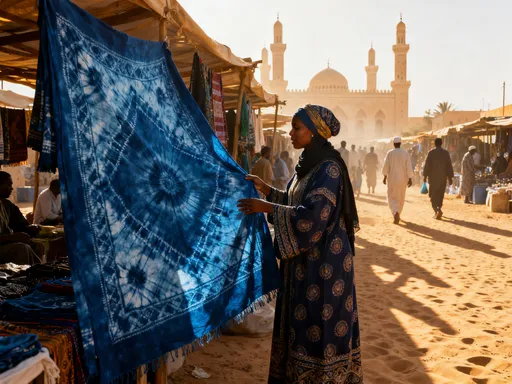
Havana’s markets are living stages where culture, commerce, and community converge. They offer more than goods—they deliver atmosphere. The scent of roasted coffee, the sound of salsa drifting from a nearby radio, the sight of vendors arranging handwoven baskets under striped awnings—these sensory details make shopping here an immersive experience. While some markets cater heavily to tourists, others remain deeply rooted in local life, especially those held on weekends or in residential parks.
The Feria Artesanal in Plaza Vieja stands out as one of the most vibrant. Open daily but busiest in the late afternoon, this market fills the cobblestone square with dozens of stalls showcasing everything from crocheted handbags to miniature wooden boats. Local musicians often perform nearby, adding rhythm to the browsing experience. Because it’s centrally located, many visitors arrive on foot, but driving offers the advantage of arriving early, before crowds form, and securing parking nearby to revisit later in the day. Cash is the only accepted payment, and small bills in CUP (Cuban pesos) or MLC (freely convertible pesos) are essential for smooth transactions.
Another standout is the weekend artisan market near Almendares Park, accessible via the Quinta Avenida in Vedado. Less polished than Plaza Vieja, this pop-up market thrives on authenticity. Artists display oil paintings on easels, potters demonstrate wheel-throwing techniques, and elders sell vintage vinyl records of classic Cuban bands. Families picnic nearby, children play, and dogs nap in the shade—this is community life in motion. Because it’s not a permanent fixture, timing matters: arriving between 9 a.m. and 2 p.m. ensures the fullest selection. Driving here avoids the long walk from public transit stops and allows space to carry larger purchases like framed art or ceramic sets.
A third notable market operates along the Malecón during special festivals or holidays. Though informal, it bursts with energy, offering hand-carved masks, painted fans, and jewelry made from seeds and shells. These stalls emerge spontaneously, often run by neighborhood collectives or school cooperatives. Bargaining here is gentle and conversational—vendors expect polite negotiation but do not pressure sales. A smile, a compliment, and a fair offer go further than aggressive haggling. Remember to carry cash in multiple denominations, as change may be limited. Also, keep purchases secure in reusable bags or backpacks, especially in crowded areas.
Across all markets, the rhythm of interaction follows a shared etiquette. Greetings come first—“buenos días” or “hola”—before discussing prices. Vendors appreciate genuine interest, so take time to examine items, ask questions, and listen. Avoid treating people as photo opportunities without engagement. When bargaining, do so respectfully—start slightly below asking price, but recognize the value of labor. A successful exchange leaves both parties satisfied, not just financially, but emotionally.
Hidden Shopping Gems Only Drivers Can Reach
Some of Havana’s most authentic shopping experiences lie beyond the well-trodden paths—places invisible to those relying on foot or public transport. These hidden gems include family-run workshops in quiet neighborhoods, artist collectives in converted garages, and seaside kiosks where fishermen sell hand-carved souvenirs alongside their daily catch. Accessible only by car, these spots offer rare intimacy and connection, often absent in more commercialized areas.
In the residential streets of Playa and Siboney, small studios welcome visitors by appointment or word-of-mouth. Here, ceramicists fire their work in backyard kilns, textile artists dye fabrics using plant-based pigments, and woodworkers craft furniture from salvaged materials. These creators often lack online presence or formal storefronts, relying instead on local referrals and passing trade. A car enables spontaneous detours—seeing a hand-painted sign, following a narrow alley, discovering a courtyard humming with creative energy. Because these locations are not tourist hubs, prices tend to be fair, and conversations more personal.
Along the coastal road toward Bacuranao, small kiosks appear seasonally, run by fishing families who supplement their income with hand-carved pelicans, turtles, and guitars made from driftwood. These items, while simple, carry the spirit of the sea and the patience of their makers. Purchasing here supports subsistence livelihoods and preserves traditional carving techniques. Driving allows travelers to combine a beach outing with a meaningful stop, returning with both memories and mementos. As with all informal vendors, cash is required, and flexibility is key—selections change daily based on materials and demand.
Navigating these less-marked areas requires preparation. Offline maps downloaded via apps like Maps.me or Organic Maps help locate general zones, though street signs may be faded or absent. Asking locals for directions—using basic Spanish phrases—often yields better results than GPS alone. When driving through residential neighborhoods, move slowly, respect private property, and avoid blocking driveways. Parking may be on the street or in shared lots; always observe how locals park and follow suit.
Safety is generally not a concern in these areas, especially during daylight hours. Cubans are typically welcoming to respectful visitors, particularly those who show interest in their work. However, it’s wise to avoid displaying expensive electronics or large amounts of cash. Keep purchases in the trunk or under a cover to deter opportunistic glances. Traveling with a companion adds comfort, especially when visiting remote spots for the first time.
Practical Tips for a Smooth Shopping Road Trip
Driving and shopping in Havana require thoughtful planning. While the rewards are immense, the experience comes with logistical nuances that can affect comfort and efficiency. Understanding fuel availability, road conditions, currency use, and vehicle security helps ensure a seamless journey. With preparation, even first-time visitors can navigate the city’s rhythms with confidence.
Fuel stations exist throughout Havana, but availability fluctuates. Some stations serve only government vehicles or require special access, while others accept foreign rentals. It’s advisable to refuel when the tank reaches half-full and to keep a spare jerry can if planning longer coastal drives. Most rental agencies provide maps indicating approved fuel points, and staff often share real-time updates on supply.
Road signage in Havana is inconsistent—some major streets have clear markers, while residential areas rely on landmarks. Offline navigation tools are invaluable, especially when seeking less-known workshops or markets. Save key locations before departure and cross-reference with paper maps when signal is weak. Police checkpoints are rare but possible, particularly near highways or during national events. If stopped, remain calm, present your license and rental documents, and allow officers to inspect if needed. These interactions are typically routine and not adversarial.
Currency use is another critical consideration. Cuba operates with two official currencies: the Cuban Peso (CUP) and the MLC (Moneda Libremente Convertible), used primarily by tourists. Many artisan markets accept both, but smaller vendors may prefer CUP for everyday goods. Carry small bills in both currencies, as change for large notes can be difficult to obtain. Avoid exchanging money on the street; use official exchange offices or banks to prevent counterfeit risks.
Once purchases are made, protecting them in the vehicle is essential. Heat and dust can damage delicate items like paper art, fabrics, or cigars. Store goods in protective bags or cases, and keep them out of direct sunlight. If buying fragile ceramics or framed pieces, request bubble wrap or cardboard padding from vendors—many have basic packaging materials on hand. For larger items, confirm with your rental agency whether transport is permitted and insured.
Finally, timing enhances the experience. Mornings are ideal for driving—cooler temperatures, lighter traffic, and fresher market selections. Late afternoons offer golden light and lively street scenes but come with heavier congestion. Weekdays tend to be quieter than weekends, though some pop-up markets operate only on Saturdays and Sundays. Planning stops around local rhythms ensures richer, more relaxed encounters.
How Havana’s Shopping Scene Reflects Its Spirit
Shopping in Havana is not a transaction—it’s a conversation with the city’s soul. Each handcrafted item, each open-air stall, each artist’s studio speaks of resilience, ingenuity, and warmth. These are not products churned out in factories, but creations born from necessity, refined by tradition, and shared with pride. To shop here is to participate in a culture that values making, mending, and meaning over mass production.
The act of driving through Havana amplifies this connection. It allows travelers to move beyond curated experiences and into the fabric of daily life. You see how neighborhoods function, how families interact, how creativity thrives despite limitations. A purchase becomes more than an object—it’s a token of human connection, a story carried home. Whether it’s a hand-painted tile from a Vedado artist or a wooden flute from a coastal vendor, each item embodies the spirit of its maker.
This journey also reflects the philosophy of slow travel—moving with intention, engaging with depth, and respecting the places we visit. Driving enables this pace, offering the freedom to pause, observe, and choose. It fosters mindfulness: choosing authentic over convenient, local over imported, relationship over receipt. In doing so, travelers support sustainable tourism that benefits communities directly.
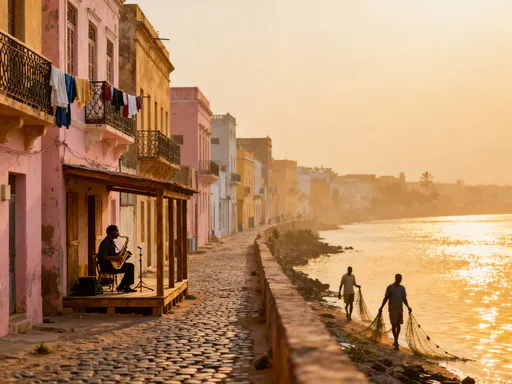
Havana stays with you long after the engine stops. Not just for its colors, its music, its architecture—but for the people who welcome you, create for you, and share with you. Their craftsmanship is a testament to endurance and beauty, and every purchase made with awareness becomes a small act of solidarity. As you drive away, rearview mirror filled with fading pastel buildings, you realize: you didn’t just shop in Havana. You experienced it—fully, vividly, and authentically.