You Won’t Believe What I Ate in Bandung — A Food Adventure Like No Other
Bandung, Indonesia, isn’t just about cool mountain air and volcanic views — it’s a food lover’s dream come true. I went searching for authentic flavors and left with my taste buds blown away. From bustling street carts to hidden local warungs, every bite told a story. This is more than dining — it’s a cultural journey on a plate. The city’s elevation, climate, and history converge in a culinary tradition that’s both comforting and surprising. Whether wrapped in banana leaves or served on plastic stools by the roadside, Bandung’s food carries the soul of Sundanese culture, seasoned with generations of tradition and a quiet innovation that makes every meal feel alive.
Why Bandung Should Be on Every Food Traveler’s Radar
Perched at over 700 meters above sea level in the highlands of West Java, Bandung offers more than scenic escapes and cooler temperatures. It offers a distinct culinary identity shaped by geography, history, and cultural exchange. Unlike Jakarta, where urban pace and international influences dominate, or Yogyakarta, known for its royal Javanese heritage, Bandung’s cuisine reflects the simplicity, freshness, and boldness of Sundanese traditions. The highland climate allows for lush agriculture, supporting an abundance of vegetables, herbs, and dairy that form the backbone of daily meals. This natural advantage translates directly onto the plate, where freshness isn’t a luxury — it’s a standard.
The city’s colonial past under Dutch rule also subtly influenced its food culture. You can still see remnants in the architecture of old cafés and bakeries, but more importantly, in the way locals embrace both tradition and modernity in their dining habits. European-style patisseries exist alongside open-air warungs serving steaming bowls of mie kocok, a rich beef noodle soup with potato dumplings and fried shallots. This blend isn’t forced — it feels organic, like the city itself has learned to balance heritage with progress. For food travelers, this means a dynamic experience where every meal offers a layer of discovery.
What sets Bandung apart is its authenticity. While other Indonesian cities have commercialized their street food for tourist appeal, Bandung remains grounded. Locals still gather at roadside stalls after work, sharing stories over plates of lalapan — fresh raw vegetables served with sambal and grilled fish or chicken. There’s no pretense, no performance — just real food, eaten in real time. When I first arrived, stepping off the car in the late afternoon, the air was thick with the scent of frying shallots, grilled tempeh, and simmering coconut milk. It wasn’t just hunger I felt — it was curiosity, pulled by the aroma of something deeply familiar yet entirely new.
First Bites: Street Food That Greets You at Every Corner
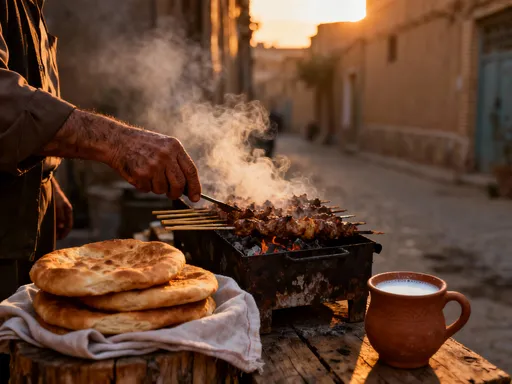
No introduction to Bandung’s food scene is complete without its street food. Within minutes of walking through neighborhoods like Dago or Cihampelas, you’ll encounter vendors balancing trays on bicycles, folding tables set up on sidewalks, and glowing carts lit by soft yellow bulbs. The rhythm of the city pulses around these humble outposts of flavor. Among the most iconic snacks is batagor — a crispy, deep-fried dumpling made from fish paste and tofu, served with a thick, peanut-based sauce and sweet chili vinegar. The name itself is a playful acronym: baso tahu goreng, meaning “fried meatball and tofu.” It’s crunchy on the outside, tender within, and utterly addictive.
Just as popular is siomay, a steamed version of similar dumplings, often paired with boiled potatoes, cabbage, and bitter melon, all drenched in that same savory peanut sauce. Unlike its Chinese counterpart, Bandung’s siomay is lighter, less greasy, and deeply rooted in local tastes. Then there’s cuanki, a spicy noodle soup named after a street vendor’s nickname — “Acung, jualan!” (“Hey Acung, selling!”). It typically includes wontons, fish cakes, and mushrooms in a clear, peppery broth. Served piping hot, it’s a favorite among students and office workers looking for a quick, satisfying bite.
What impressed me most wasn’t just the taste, but the atmosphere. Street food in Bandung isn’t eaten in haste — it’s a social ritual. People linger on plastic stools, laughing, scrolling through phones, or watching the world go by. Hygiene varies, but the busiest stalls are usually the safest — high turnover means fresh ingredients and clean handling. Prices are incredibly accessible, with most snacks costing between $0.50 and $1.50. I once struck up a conversation with a vendor in Cihampelas who had been making batagor for over 30 years. He shared how his father taught him the recipe, emphasizing the importance of grinding the fish paste by hand to achieve the right texture. That moment — simple, unscripted — reminded me that food here isn’t just sustenance. It’s memory, passed down one plate at a time.
Hidden Warungs: Where Locals Eat (And Tourists Rarely Go)
If street food is Bandung’s pulse, then the neighborhood warungs are its heartbeat. These small, family-run eateries are tucked into quiet residential streets, behind office complexes, or near local markets. They don’t advertise. They don’t need to. Their reputation spreads by word of mouth, sustained by regulars who return daily. These are the places where you’ll find nasi timbel — steamed rice wrapped in banana leaf, served with fried chicken, tofu, tempeh, and a mountain of fresh vegetables. The banana leaf isn’t just for presentation; it infuses the rice with a subtle earthy aroma, elevating the entire meal.
Another standout is ayam goreng kalasan, a spiced fried chicken marinated in a blend of turmeric, lemongrass, and galangal, then deep-fried to golden perfection. Unlike heavier versions found elsewhere, this chicken is fragrant, not greasy, with a crisp exterior that gives way to juicy, flavorful meat. It’s often served with sambal terasi — a fiery shrimp paste chili sauce that demands respect. One afternoon, I followed a group of office workers down a narrow alley in the Lengkong district and found myself at Warung Nia, a modest spot with no English menu, just a chalkboard in Bahasa Indonesia. I pointed at what others were eating, smiled, and said, “Sama seperti itu, terima kasih.” The owner laughed, nodded, and brought out a full Sundanese spread.
What makes these warungs special is their authenticity. They don’t cater to tourists. There’s no attempt to simplify flavors or provide cutlery — you eat with your hands, as is traditional. The experience is immersive, even humbling. Ordering with broken Bahasa Indonesia felt awkward at first, but the warmth of the staff made it worthwhile. One woman even demonstrated how to properly mix the sambal with rice, pinching a small amount between her fingers and showing me the balance of heat and flavor. In that moment, I wasn’t just eating — I was learning. These hidden gems remind us that the best meals aren’t always found in guidebooks. Sometimes, they’re discovered by following the scent of grilled fish and the sound of shared laughter.
From Farm to Table: Fresh Ingredients in Bandung’s Highlands
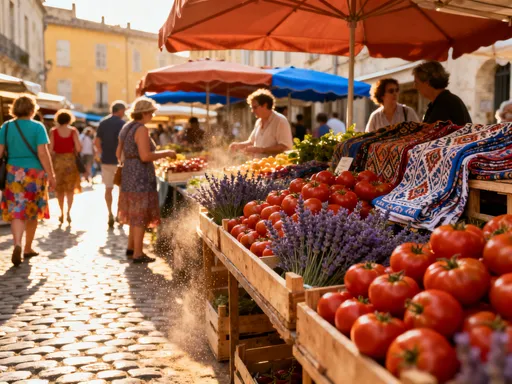
To understand Bandung’s food, you must visit its markets. Pasar Lembang and Pasar Kosambi are not just shopping destinations — they’re sensory classrooms. Early mornings are the best time to go, when crates of fresh produce arrive from surrounding farms. The colors are vivid: deep purple eggplants, bright red chilies, emerald-green kencur leaves, and golden turmeric roots. Vendors sit behind mounds of herbs and spices, many of which are central to Sundanese cooking but rarely seen outside Indonesia. Temu kunci, for example, is a lesser-known rhizome with a citrusy aroma, often used in chicken dishes. Kencur (aromatic ginger) adds depth to soups and rice cakes. These ingredients aren’t exotic novelties — they’re everyday essentials.
The highland climate plays a crucial role in this abundance. Cooler temperatures allow for year-round cultivation of vegetables like cabbage, carrots, and spinach, as well as fruits such as strawberries and avocados. Lembang, just north of Bandung, is famous for its strawberry farms, where visitors can pick their own and enjoy fresh juices or creamy ice cream. Dairy farming has also taken root here, leading to a growing culture of local milk, yogurt, and cheese — unusual in a country where lactose intolerance is common, yet thriving due to innovation and adaptation.
What struck me most was the direct link between farm and table. Many warungs and home cooks source ingredients directly from these markets, ensuring peak freshness. A dish of simple lalapan gains its brilliance not from complex technique, but from the crispness of the cucumber, the tang of the tomato, and the heat of freshly ground sambal. I spoke with a vendor at Pasar Kosambi who explained how her family grows their own chilies and herbs in a small garden behind their home. “The flavor is better,” she said, “because we know how they’re grown.” This connection — between soil, season, and plate — is what makes Bandung’s food so vibrant. It’s not about luxury. It’s about integrity.
Modern Twists: Fusion Eateries and Trendy Cafés with a Local Soul
While tradition runs deep, Bandung is also embracing culinary innovation. In neighborhoods like Pasteur and Setiabudi, a new generation of chefs is reimagining local flavors through modern techniques and global influences. The rise of Instagrammable cafés doesn’t mean authenticity is lost — rather, it’s being reinterpreted. You’ll find places serving tempeh burgers on brioche buns, pandan lattes with coconut foam, and sambal-infused chocolate truffles. These aren’t gimmicks — they’re thoughtful fusions that respect the source while inviting new palates.
One café in Setiabudi, known for its minimalist design and floor-to-ceiling windows, offers a “deconstructed nasi timbel” — rice served separately from its banana leaf, accompanied by miniature versions of grilled fish, fried tempeh, and vegetable relishes arranged like a tasting menu. It’s playful, artistic, and surprisingly respectful of the original. I tried it one afternoon, sipping a jasmine iced tea while watching the sun filter through eucalyptus trees. The flavors were familiar, yet the experience felt new. It reminded me that tradition doesn’t have to be static. It can evolve, as long as the soul remains intact.
What’s encouraging is that many of these modern spots still prioritize local ingredients. A popular brunch café in Pasteur sources its eggs from a nearby organic farm and makes its own tempeh in-house. Another serves a “Sundanese Benedict” — poached eggs on toasted cassava bread, topped with sambal hollandaise. These creations attract younger locals and curious visitors, but they also serve as bridges — introducing traditional flavors to those who might otherwise overlook them. The best fusion food doesn’t replace tradition; it amplifies it. In Bandung, this balance feels natural, not forced. The city’s culinary identity is strong enough to absorb change without losing its core.
Dining with a View: Restaurants That Elevate the Experience
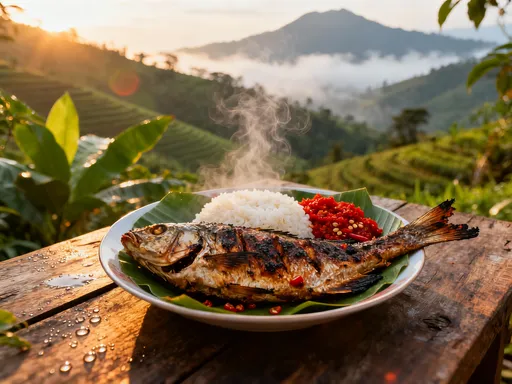
Bandung’s topography offers something rare in urban dining: elevation with a view. Hillside cafés, lakefront restaurants, and open-air terraces provide not just scenic backdrops, but enhanced dining experiences. One evening, I visited a restaurant in the Dago area, perched on a ridge overlooking the city. As the sun dipped below the volcanic peaks, the sky turned amber and rose, casting a warm glow over the tables. I ordered ikan bakar — grilled river fish marinated in turmeric and coconut, served with a fresh tomato and chili sambal. With each bite, the smoky flavor of the fish mingled with the cool mountain breeze. It was simple, yet unforgettable.
These scenic spots vary in price and formality, but many remain accessible. Some charge a slight premium for the view, but not enough to feel exploitative. More importantly, many are still frequented by locals — families celebrating birthdays, couples on dates, friends catching up over coffee. This blend of tourist appeal and local loyalty is a good sign. It means the experience hasn’t been sanitized for visitors. One lakeside eatery near Situ Lembang offers traditional Sundanese meals on bamboo platforms over the water. The sound of lapping waves, the sight of fishing boats at dusk, and the taste of hot sop buntut (oxtail soup) created a moment of pure harmony.
Service in these places tends to be more attentive than at street stalls, but never stiff. Staff are friendly, often eager to explain dishes or recommend pairings. The view doesn’t distract from the food — it complements it. There’s something meditative about eating while gazing at mist-covered hills or a still lake. It slows you down, makes you notice the texture of the rice, the heat of the sambal, the crispness of the fried shallots. In a world of fast consumption, these moments of presence are rare. Bandung’s scenic dining spots offer more than a meal. They offer a pause — a chance to savor not just food, but life.
How to Make the Most of Your Bandung Food Journey: Practical Tips
To truly enjoy Bandung’s culinary offerings, timing matters. Breakfast is best between 7:00 and 9:00 a.m., when street vendors serve fresh versions of bubur ayam (chicken rice porridge) and martabak manis (sweet stuffed pancake). Late afternoon, around 3:00 to 5:00 p.m., is ideal for snacks like batagor or cuanki, when stalls are fully stocked and the heat of the day begins to fade. Dinner peaks between 6:00 and 8:00 p.m., especially at popular warungs and scenic restaurants, so arriving early ensures better seating and fresher food.
Transportation is another key factor. While Bandung’s traffic can be heavy, ride-hailing apps like Grab and Gojek make it easy to reach offbeat locations safely. They’re affordable, reliable, and widely used by locals. For market visits or warung hunts, consider hiring a driver for a few hours — many offer informal food tours and know the best hidden spots. Walking is great in areas like Dago or Braga, but for longer distances, motorbike taxis are fast and efficient (though not recommended for those uncomfortable with traffic).
When it comes to food hygiene, a few simple rules help you enjoy without worry. Look for stalls with high turnover — busy equals fresh. Observe whether food is served hot and handled with care. Avoid raw salads or unpeeled fruits from street vendors if you have a sensitive stomach. Bottled water is advisable, and it’s wise to carry hand sanitizer. That said, don’t let caution override curiosity. Some of the best meals come from the most unassuming places. The key is balance — being mindful without being fearful.
Finally, approach Bandung’s food with an open mind. Flavors can be bold, spicy, and unfamiliar. Be patient. Ask questions. Smile. Even with limited language, kindness goes a long way. Respect the culture — eat with your right hand when appropriate, don’t waste food, and thank the vendors. These small gestures create connection. And in the end, that’s what this journey is about — not just tasting new dishes, but building understanding, one meal at a time.
Bandung’s dining scene is more than just meals — it’s a celebration of culture, community, and creativity. Whether you're slurping soup from a street cart or sipping coffee with a view, each experience connects you deeper to the heart of West Java. This city doesn’t just feed your stomach — it feeds your soul. So next time you travel, don’t just see the sights. Taste them.